
A Seasonal Guide to Mineral-Rich Fruits and Vegetables
Last Updated: November 12, 2026
Quick Summary
Minerals in produce are relatively stable and do not break down as quickly as some vitamins after harvest. Mineral content depends more on the crop, variety, soil and preparation method than on how recently the produce was picked. Produce supports your everyday mineral intake, while replacing minerals and fluid lost through sweat during exercise is a separate need best met by checking a product's actual sodium and mineral content on its label.
- Mineral content varies more with the crop, variety, soil and preparation method than with how recently produce was harvested.
- Some vitamins are more sensitive to storage time than minerals, so freshness matters more for vitamin content than mineral content.
- Leafy greens such as kale and bok choy are useful seasonal calcium sources.
- Pairing dark greens with a vitamin C source like citrus can improve iron absorption.
- Steaming or quick sautéing limits mineral losses to cooking water compared with long boiling.
Table of Contents
- Why Seasonal Produce Matters for Mineral Intake
- What the Research Does and Does Not Show About Mineral Content
- Seasonal Produce Calendar: Mineral Sources by Season
- Best Foods for Electrolyte Replenishment in Each Season
- How to Balance Electrolytes on a Keto Diet with Seasonal Foods
- Preserving and Selecting Produce to Keep Minerals
- Building Your Seasonal Mineral Shopping Plan
- Frequently Asked Questions
Why Seasonal Produce Matters for Mineral Intake
Seasonal produce is often described as more nutritious, but the mineral story is more nuanced than most guides suggest. Minerals such as potassium, magnesium and calcium are relatively stable nutrients, so they do not break down the way some vitamins do, and transit time or storage has a smaller effect on them. Some vitamins are sensitive to storage and handling, while minerals are relatively stable. Mineral content instead varies mainly with the crop, variety, soil and how the food is prepared.
At Autophagy Nutrition, we think the practical question is simpler: which in-season foods reliably support your everyday mineral intake, and how do you shop for them? Produce is a steady source of minerals like potassium, magnesium and calcium for daily needs, though replacing what you lose through sweat during exercise is mainly a matter of fluid and sodium, not fruits and vegetables. Dietary guidance generally recommends a daily intake of fruits and vegetables, and building that volume around what is fresh and local is a practical way to get there.
What the Research Does and Does Not Show About Mineral Content
The evidence on seasonal eating is encouraging but limited.
No source we reviewed establishes that seasonal produce consistently contains more potassium, magnesium or calcium than out-of-season produce. Soil conditions, variety and growing method all affect mineral levels, so treat any claim of a fixed mineral advantage with caution.
Seasonal Produce Calendar: Mineral Sources by Season
Most seasonal guides list fruits and vegetables by month and stop there. A more useful approach is to start with the mineral you want to cover and then ask which in-season foods supply it. Below, each major mineral is matched to the seasonal foods that are typically good sources. Amounts vary with variety, soil and storage, so treat these as directions for shopping rather than fixed values, and check a current nutrition database such as the USDA FoodData Central for specific figures.
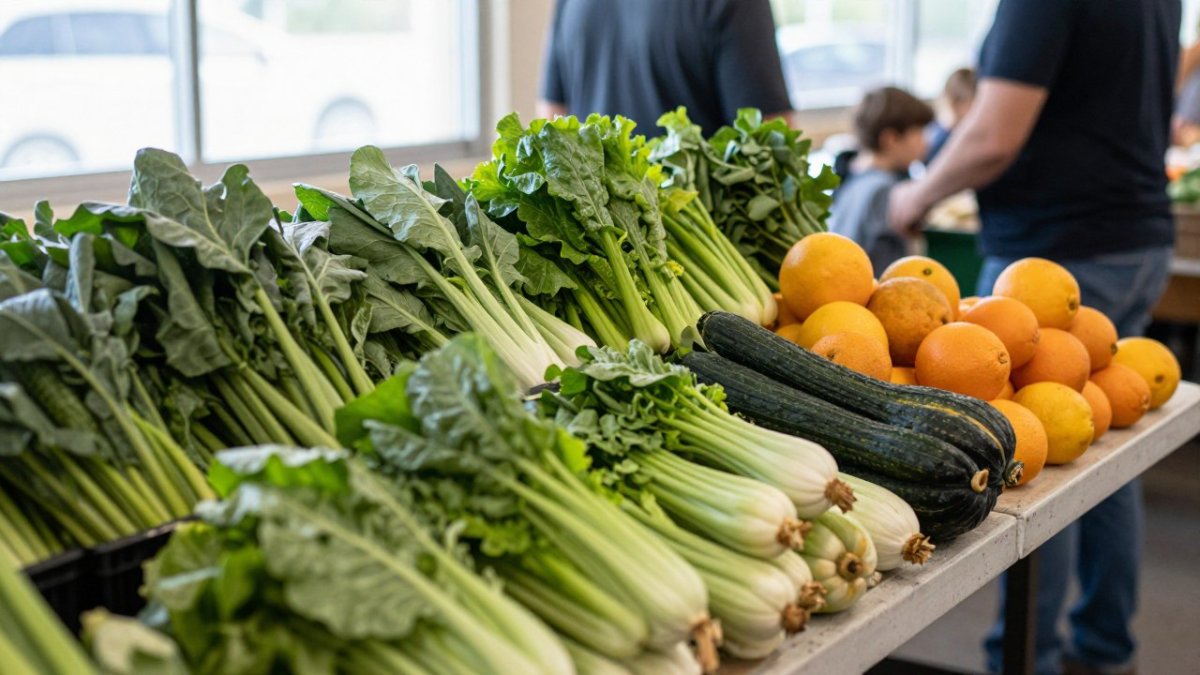
Potassium is the mineral most consistently supplied by fresh produce. Spring brings leafy greens such as spinach and Swiss chard, and summer offers tomatoes, melons and potatoes. Autumn is strong for winter squash and sweet potatoes, and winter brings citrus that is shipped in but widely available, though exact harvest seasons vary by region. Because potassium is abundant across many whole foods, a varied diet that includes potassium-rich foods can help meet daily needs.
Magnesium is concentrated in leafy greens, legumes, nuts and seeds. Spring and autumn are good windows for dark greens, while pumpkin seeds, which are typically sold year-round, are a reliable addition in the cooler months. Magnesium is also present in whole grains, so pairing seasonal greens with a grain at dinner is a practical way to raise intake.
Calcium is less common in produce than most people assume. Leafy greens such as kale and bok choy provide it in forms the body absorbs at a reasonable rate, and winter greens are often the best seasonal source. Fortified plant milks and tofu, which are not seasonal, remain important alternatives for many eaters.
Iron and zinc are present in smaller amounts in produce. Dark leafy greens supply non-heme iron, and eating them with a vitamin C source such as citrus, strawberries or bell peppers can improve absorption. Zinc comes mainly from legumes, seeds and animal foods, so seasonal produce alone rarely covers it.
Watch out: a seasonal calendar tells you when a food is fresh, not how much of a mineral it contains, so choose foods for their mineral content rather than their season alone.
Best Foods for Electrolyte Replenishment in Each Season
Sweat losses are mostly fluid and sodium, while the minerals in produce support your everyday intake rather than replacing what you lose during exercise. Potassium-rich fresh foods are the most common seasonal contributors, and the best choice depends on what your region grows. Pair produce with your normal meals, and for long or hot sessions, check your electrolyte product's label for its actual sodium and mineral amounts instead of assuming it covers your losses.
For a deeper look at snack options, see our guide to mineral-rich snacks for post-workout recovery.
How to Balance Electrolytes on a Keto Diet with Seasonal Foods
Low-carb diets reduce the fruit that often supplies potassium, so choosing lower-carbohydrate produce such as leafy greens and avocado is one way to plan intake. Winter squash is a seasonal option too, but it can contribute substantially more carbohydrate depending on the portion, so count it separately from leafy greens. Keto-friendly produce choices matter, so check carbohydrate counts before relying on fruit or squash.
Our keto electrolyte guide goes deeper on this.
Preserving and Selecting Produce to Keep Minerals
Minerals are generally more stable than vitamins such as vitamin C, which degrade with heat, light and time. Mineral content itself varies with the crop, variety, soil and how the food is prepared, and some mineral content can leach into cooking water. That makes the practical question less about preventing loss and more about how to keep seasonal produce available once its season ends.
When selecting produce, buy at peak ripeness, when leafy greens are crisp and deeply colored and root vegetables are firm without soft spots. Eat delicate greens within a few days of purchase, and store them wrapped in a dry towel in the refrigerator. Winter squash and sweet potatoes keep for weeks in a cool, dry place, while cabbage keeps for weeks in the refrigerator.
Cooking method matters for minerals that dissolve in water, especially potassium and magnesium. Steaming or quick sautéing limits losses to cooking water, while long boiling moves more minerals out of the food. If you do boil vegetables, use the cooking liquid in soups or sauces so the minerals are not discarded.
Freezing is the most straightforward way to extend a seasonal harvest. Blanch leafy greens and most vegetables briefly in boiling water, cool them quickly in ice water, then drain and freeze them in portions to preserve color and texture.
Fermentation is a second option, such as sauerkraut, though it changes the food's composition and carries food-safety considerations, so follow tested recipes and keep vegetables submerged under brine.
Watch out: canning at home requires tested procedures and pressure equipment for low-acid vegetables. Use a current guide from the National Center for Home Food Preservation rather than improvising, because improper canning can cause serious illness.
Building Your Seasonal Mineral Shopping Plan
Start by picking two or three in-season vegetables and one fruit each week to round out your plate. These foods support your everyday potassium, magnesium and calcium intake, but replacing what you lose in sweat is mainly about fluid and sodium, not produce. Depending on how long and hard you train, the heat and how much you sweat, an electrolyte product can be a helpful addition: check the label for its actual sodium and mineral amounts rather than assuming it covers your needs on its own.
Ready to match your training to what is in season? Get started with Autophagy Nutrition's hydration line and build a routine that works with your schedule.
Frequently Asked Questions
How does seasonal produce affect mineral content?
Minerals are relatively stable compared with some vitamins, so how long produce has been stored or how far it traveled is not the main driver of its mineral content. Mineral amounts vary mainly by crop, variety, soil and growing conditions, and by preparation, for example raw versus cooked. Some vitamins are more sensitive to storage and handling than minerals are. Seasonal eating is best viewed as a way to get fresher, more varied produce rather than a guaranteed boost in any single mineral.
Which seasonal vegetables are highest in magnesium and potassium?
Leafy greens such as spinach and Swiss chard, along with legumes and winter squash, are commonly cited as good sources of magnesium and potassium. Exact amounts depend on variety, growing conditions and preparation, so check nutrition databases for specific values. Eating a range of these foods across the year helps cover needs more reliably than relying on one vegetable.
When should I consider electrolyte supplementation alongside seasonal eating?
Whole foods usually cover mineral needs for everyday activity. Whether added electrolytes help depends on how long and hard you train, the heat, how much you sweat and the product's own formulation, not on a fixed schedule. If you have a condition affecting fluid or sodium balance, discuss supplementation with a healthcare professional. Product labels list serving sizes and mineral amounts, which should be followed as directed rather than assumed.
