
How to Treat Inflammation in the Body: A 2026 Guide
Table of Contents
- Understanding Acute vs. Chronic Inflammation
- Step 1: Build an Anti-Inflammatory Diet Plan
- Step 2: How to Reduce Oxidative Stress Daily
- Step 3: Make Regular Physical Activity Part of the Plan
- Step 4: Support Sleep and Manage Stress
- Step 5: Understand Inflammation-Related Lab Markers
- What to Know About Supplements
- Frequently Asked Questions
Last Updated: September 17, 2026
Understanding Acute vs. Chronic Inflammation
Supporting a healthy inflammatory response starts with understanding what inflammation actually is. Acute inflammation is the immune system's short-term response to injury or infection, marked by redness, heat, swelling, and pain that resolves within days. Chronic inflammatory conditions are diagnosed by a healthcare provider based on specific clinical criteria, not from lifestyle habits alone. Separately, researchers study low-grade inflammatory biomarkers in the blood, which are associated with various lifestyle factors — this research is what most general wellness strategies are informed by, and it is distinct from a diagnosed chronic inflammatory condition.
These distinctions shape everything that follows.
Why the Distinction Matters
Acute inflammation is protective. It's your body's repair crew showing up on schedule. Persistent inflammatory activity, by contrast, occurs in many different contexts and is associated with a range of health conditions, but its causes and clinical significance vary and are best evaluated by a healthcare provider.
Step 1: Build an Anti-Inflammatory Diet Plan
An anti-inflammatory diet plan is an eating pattern built around whole, nutrient-dense foods that support normal immune regulation, rather than a strict list of banned items. The Mediterranean diet is the most studied framework here, emphasizing fish, olive oil, vegetables, legumes, and whole grains. The DASH eating pattern and traditional Nordic diets show overlapping features, which is one reason researchers treat "anti-inflammatory eating" as a pattern rather than a single food list.
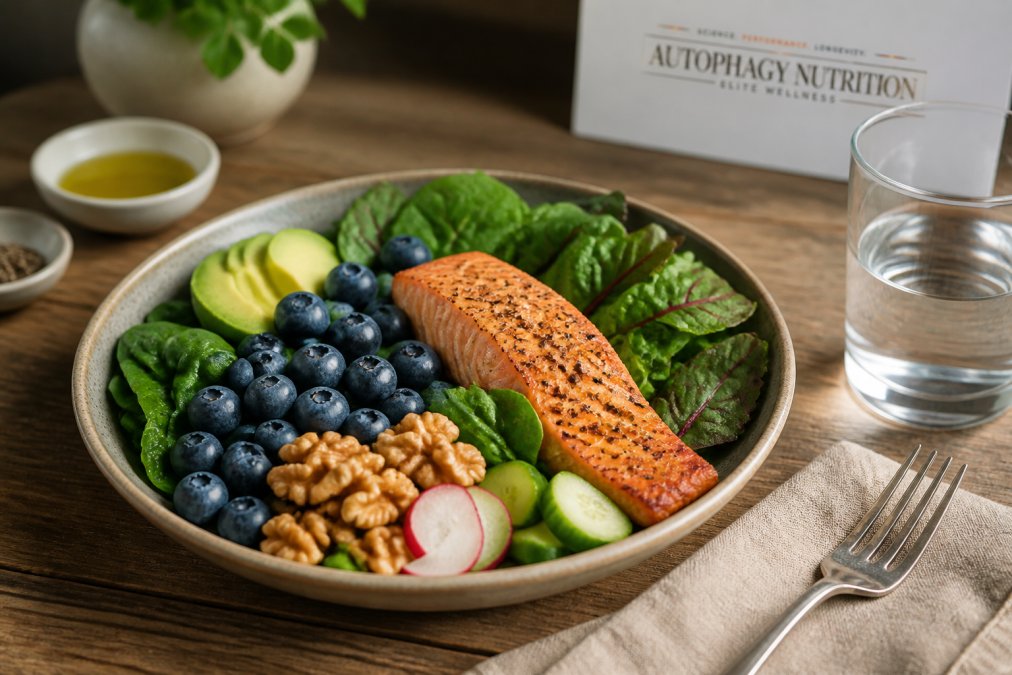
Start with these swaps:
- Replace refined carbohydrates with fiber-rich foods like oats, beans, and lentils
- Trade processed meats for fatty fish rich in omega-3 fatty acids
- Add colorful produce for polyphenols and antioxidants
- Choose mostly unsaturated cooking fats such as olive, canola, avocado, or other plant oils appropriate for the cooking method
- Drink water instead of sugary beverages
Foods That Support the Immune System Response
Leafy greens, berries, fatty fish, nuts, and olive oil carry compounds studied for their role in supporting normal immune function. A few specifics are worth knowing because they show up repeatedly in the research literature:
- Omega-3 fatty acids (EPA and DHA), found in salmon, sardines, mackerel, anchovies, and walnuts. These are the most studied dietary fats in inflammation research.
- Polyphenols, found in berries, extra-virgin olive oil, dark chocolate, green tea, and colorful vegetables. Curcumin (in turmeric), resveratrol (in grapes), and quercetin (in onions and apples) are commonly studied examples.
- Fiber, found in oats, barley, beans, lentils, and vegetables. Gut bacteria ferment fiber into short-chain fatty acids, which are studied for their role in supporting the intestinal lining and normal immune signaling.
- Vitamin C and vitamin E, found in citrus, bell peppers, almonds, and sunflower seeds. These are classic antioxidant nutrients.
- Magnesium and vitamin D, found in leafy greens, nuts, seeds, and fatty fish. Both are studied for their relationship to inflammatory markers, though results vary by individual.
Foods to Limit in an Overall Healthy Dietary Pattern
Refined carbohydrates, added sugars, fried foods, and heavily processed snacks are commonly limited in healthy dietary patterns. So are sugar-sweetened beverages and processed meats like bacon, sausage, and deli slices. Alcohol, especially in excess, is also associated with higher inflammatory markers in observational research.
A Sample Day (Pattern, Not Prescription)
- Breakfast: Plain Greek yogurt with berries, walnuts, and a drizzle of olive oil; or oatmeal with ground flax and cinnamon
- Lunch: Mixed greens with chickpeas, cherry tomatoes, cucumber, olives, and olive oil vinaigrette; or a salmon salad sandwich on whole grain
- Snack: An apple with almond butter, or a small handful of mixed nuts
- Dinner: Baked salmon or grilled chicken with roasted broccoli, sweet potato, and a side of lentils
- Beverages: Water, unsweetened tea, or coffee (which contains polyphenols)
This is a template, not a rulebook. The point is to make the anti-inflammatory choice the easy default, so you don't have to think about it every meal.
Step 2: How to Reduce Oxidative Stress Daily
Oxidative stress occurs when unstable molecules called free radicals outpace the body's antioxidant defenses. It is a distinct biological process from chronic inflammation, though the two can overlap and share some contributing factors. Diet, physical activity, sleep, and avoiding tobacco smoke and excessive alcohol are commonly associated with supporting the body's antioxidant defenses, though individual effects vary.
General public health guidance includes:
- Eat five or more servings of colorful produce daily
- Get 7-9 hours of sleep
- Move your body most days
- Limit alcohol and avoid smoking
- Manage sun exposure and air quality where you can
Step 3: Make Regular Physical Activity Part of the Plan
Regular aerobic exercise and resistance training are well-supported health behaviors. Human research associates consistent activity with differences in inflammatory biomarkers in many adults, though individual results vary and exercise is not a treatment for an inflammatory condition. It helps to separate two timeframes: a single vigorous session can trigger a temporary, short-lived rise in inflammatory markers as part of normal muscle repair, while it's the pattern of activity sustained over weeks and months that is associated with lower baseline markers.
Step 4: Support Sleep and Manage Stress
Stress management and sleep are generally considered important parts of a healthy lifestyle. Cortisol's relationship to stress is more nuanced than a simple rise: patterns vary with the timing and duration of the stressor and from person to person. Both sleep and stress management have been studied in relation to immune function and inflammatory biomarkers, though neither is a treatment for inflammation on its own.
What works:
- Mindfulness or meditation, even a few minutes a day, at a length that fits your routine
- Consistent sleep and wake times
- A cool, dark bedroom
- Limiting screens before bed
- Deep breathing or gentle stretching in the evening
Step 5: Understand Inflammation-Related Lab Markers
C-reactive protein (CRP) and erythrocyte sedimentation rate (ESR) are nonspecific markers of inflammation, meaning they can rise with many different conditions and are not specific to any one cause. Clinicians use them in particular contexts rather than as general-purpose inflammation tests. A high-sensitivity CRP test (hs-CRP) can be used as part of cardiovascular risk assessment in appropriate patients, but a single hs-CRP value does not diagnose a chronic inflammatory condition on its own, and it can be elevated by infection, injury, and other factors unrelated to long-term health.
A few other tests sometimes come up in this context, though they are not interchangeable with CRP or ESR. Appropriate testing and how to interpret results depend on your individual clinical context, so it's worth discussing with a healthcare professional if you're considering any of these:
- Fasting glucose and HbA1c assess glycemic and metabolic status; they are not measures of inflammation.
- Ferritin primarily reflects the body's iron stores, though it can also rise as part of an inflammatory response, which can make it harder to interpret on its own.
- Homocysteine is not a general diagnostic test for inflammation; it is used for other specific clinical purposes.
What to Know About Supplements
Supplements are not a replacement for diet, movement, and sleep. The evidence behind any given ingredient, and how safe it is, varies widely by ingredient and by individual, so it's worth checking the specifics before overspending on weak evidence or combining something with a prescription medication.
- Omega-3 fatty acids (fish oil, algal oil), studied for a possible role in inflammatory signaling markers, though changes in those markers haven't been shown to translate into proven symptom or disease outcomes. Evidence is strongest for EPA and DHA from marine sources. Look for a product that lists EPA and DHA amounts separately on the label, not just "fish oil" total.
- Vitamin D, studied for its relationship to immune function and inflammatory markers. Blood levels vary widely by latitude, skin tone, and sun exposure; whether testing before supplementing makes sense depends on the individual and is worth discussing with a clinician.
- Curcumin (from turmeric), studied in preclinical and mechanistic research for its interaction with inflammatory pathways. Human clinical results are mixed and depend on the study population and dose; absorption from plain turmeric powder is low, and formulations that pair curcumin with piperine or phospholipids are studied for better bioavailability, though better absorption hasn't been shown to translate into better clinical outcomes.
- Polyphenol-rich botanical extracts, resveratrol, quercetin, and green tea extract are common examples. Evidence in humans is early and inconsistent, and doses used in research often exceed what's in a typical capsule.
- Magnesium, studied for its role in normal immune and metabolic function. Intake from food alone varies by individual diet.
Supplement Safety: What to Check Before You Buy
- Third-party testing. A USP, NSF, or ConsumerLab seal, or a certificate of analysis from the manufacturer, can indicate a product was tested for what's on the label. In the US, supplements are regulated differently from prescription and over-the-counter drugs, and they generally aren't reviewed by the FDA for effectiveness before reaching shelves; a seal or certificate of analysis doesn't guarantee a product is effective or completely safe.
- Drug interactions. Interaction risk depends on the specific ingredient, dose, medication, and individual. Omega-3s, curcumin, St. John's wort, and some other botanicals have each been flagged for potential interactions with blood thinners, antidepressants, or birth control, and vitamin D can interact with certain diuretics and steroids.
- Dose transparency. A label that says "proprietary blend" without listing individual amounts makes it impossible to compare to research doses.
- Upper limits. Fat-soluble vitamins (A, D, E, K) accumulate in the body, and intake above the tolerable upper intake level set for each nutrient can cause harm.
- Timing. Some supplements are better absorbed with food; others compete with each other for absorption. Review your supplement list with a pharmacist or other qualified professional when appropriate.
How to Tell If a Supplement Is Working
Most supplements don't produce a felt effect, and that's normal. For ingredients tied to a specific, clinically meaningful marker, like vitamin D and blood levels, a repeat lab test can show whether supplementing changed something measurable. Many other wellness supplements don't have a validated marker a consumer can track at home, so the absence of a felt or measurable effect doesn't by itself mean a supplement isn't doing anything, and whether to continue one is worth discussing with a healthcare provider.
Frequently Asked Questions
What are the primary signs of chronic inflammation in the body?
There isn't a reliable symptom checklist for chronic inflammation. Inflammation shows up across a wide range of clinical contexts, from autoimmune conditions to injury to normal immune activity, and symptoms like fatigue, joint discomfort, or digestive changes are nonspecific, meaning they can have many unrelated causes. A single biomarker such as C-reactive protein can't diagnose chronic inflammation on its own either. Identifying and evaluating inflammation depends on clinical context and is something to work through with a healthcare provider rather than self-assess from symptoms.
How does an anti-inflammatory diet plan influence the body's inflammatory response?
Diets similar to the Mediterranean pattern, emphasizing vegetables, fruit, whole grains, fish, and healthy fats while limiting processed foods and refined carbohydrates, are studied as an overall pattern rather than through any single food. Research has associated this pattern with a range of health outcomes and with changes in some inflammatory biomarkers, but that isn't the same as showing individual foods directly regulate inflammation or oxidative stress, and this kind of diet isn't a treatment for an inflammatory condition. Consistency in the overall pattern matters more than any one food choice.
What supplements are commonly discussed in the context of healthy aging?
A range of supplements are marketed or studied in connection with aging-related processes, and the evidence behind them varies substantially, from early preclinical work to more established human data, depending on the specific ingredient. A supplement marketed for healthy aging shouldn't be assumed to also reduce inflammation, regulate immune function, or treat an inflammatory condition; those are separate claims that would need their own supporting evidence. Always check with a healthcare professional before adding a supplement, especially if you take medication or have existing health conditions.
What role does physical activity play in managing inflammation?
Regular physical activity is one of several factors, alongside diet, sleep, and stress management, linked in research to immune regulation and metabolic health. Studies have associated moderate activity with changes in some inflammatory biomarkers, but that doesn't mean exercise directly lowers systemic inflammation, and no specific routine, like 30 minutes most days, should be treated as a therapy for an inflammatory condition. Intense training without adequate recovery can also affect the body differently than moderate activity. How much and what kind of activity makes sense depends on the individual.