
How to Start an Anti-Inflammatory Diet for Longevity
Table of Contents
- What an Anti-Inflammatory Diet Really Means for Longevity
- Anti-Inflammatory Food List for Beginners
-
How to Reduce Chronic Inflammation Through Diet: 6 Practical Steps
- Step 1: Audit Your Current Plate
- Step 2: Swap, Don't Strip
- Step 3: Add a Vegetable to Lunch and Dinner
- Step 4: Replace Refined Grains with Whole Grains
- Step 5: Choose Olive Oil Over Butter for Cooking
- Step 6: Plan One Fish Meal Per Week
- Individual Variability: Adjust the Steps to Your Life
- Tracking Progress Without Obsessing
- Building a Sustainable Anti-Inflammatory Diet for Longevity
- Where Fasting and Cellular Health Fit In
- Common Mistakes Beginners Make
- Tracking Progress and Staying Consistent
- Frequently Asked Questions
Last Updated: September 15, 2026
What an Anti-Inflammatory Diet Really Means for Longevity
An anti-inflammatory diet is a dietary pattern built around vegetables, fruits, legumes, whole grains, nuts, seeds, and unsaturated fats that supports normal immune function and metabolic health over time.
The term gets stretched in popular media, so it helps to be precise. This guide covers how to start an anti-inflammatory diet for longevity without cutting entire food groups or chasing miracle ingredients. Longevity here means supporting healthy aging, not adding years to your life through any single food.
Acute vs. Chronic Inflammation: Why the Difference Matters
Acute inflammation is a normal, short-term immune response to injury or infection, and it is not something to eliminate. Chronic low-grade inflammation is different: a persistent background state that research links with metabolic and cardiovascular conditions over time.
That distinction matters because most longevity research on diet is observational. According to the NIH National Institute on Aging, healthy eating patterns are associated with better health outcomes in older adults, though association does not prove that any one diet extends lifespan.
Anti-Inflammatory Food List for Beginners
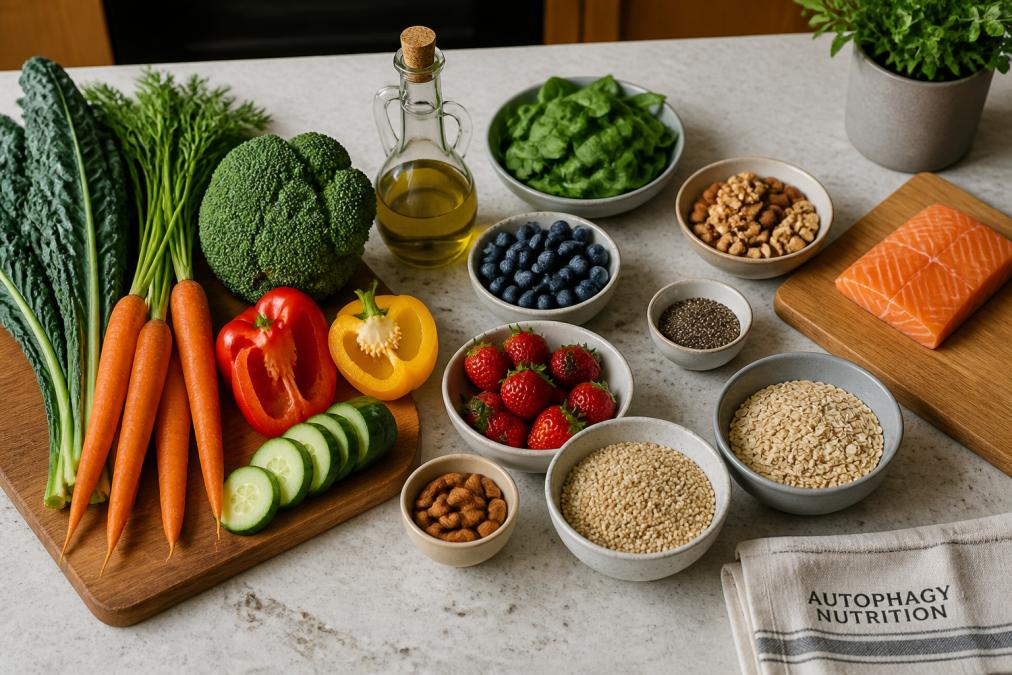
An anti-inflammatory food list for beginners is not a list of magic ingredients. It is a shopping template: build most meals from plants, add protein and unsaturated fats, and keep highly processed foods occasional. The table below maps food groups to their practical role and the evidence behind them.
| Food Group | Examples | Practical Role | Evidence Context |
|---|---|---|---|
| Vegetables | Leafy greens, broccoli, peppers, tomatoes | Fiber, polyphenols, volume, potassium | Consistent association with lower chronic disease risk in observational studies, with fiber intake identified as one well-studied contributing factor |
| Fruits | Berries, citrus, apples, bananas | Fiber, vitamin C, polyphenols, potassium | Whole fruit is associated with better metabolic markers; juice is not equivalent |
| Legumes | Lentils, chickpeas, black beans, edamame | Fiber, plant protein, folate, magnesium | Associated with favorable cardiovascular and metabolic markers in human trials |
| Whole grains | Oats, brown rice, quinoa, barley, farro | Fiber (including beta-glucan), B vitamins, sustained energy | Replacing refined grains with whole grains is linked to lower risk in large cohorts |
| Nuts and seeds | Walnuts, almonds, pistachios, flax, chia, pumpkin seeds | Unsaturated fats, magnesium, fiber, plant sterols | Nut intake is associated with lower cardiovascular risk in multiple cohorts |
| Fats | Olive oil, avocado, fatty fish | Monounsaturated and omega-3 fats | Olive oil is the fat most consistently linked to favorable outcomes in Mediterranean-pattern research |
| Protein | Fish, poultry, eggs, tofu, tempeh, Greek yogurt | Satiety, muscle support, B12, calcium | Total protein intake and resistance training matter more than timing for most adults |
| Herbs and spices | Turmeric, ginger, garlic, oregano, cinnamon | Flavor without added sodium or sugar | Curcumin and ginger have mechanistic and small-trial signals; human outcome evidence is preliminary |
Why These Foods, Not Just What
The pattern matters more than any single item. Fermentable fibers can be metabolized by gut bacteria into short-chain fatty acids, which are involved in immune and metabolic signaling. Polyphenols in produce and olive oil have measurable effects on oxidative markers in lab and some human studies, though biomarker changes do not automatically translate to clinical outcomes. Omega-3 fats from fish influence inflammatory pathways in controlled trials, but the effect size on hard outcomes is modest and depends on background diet.
A Mediterranean-style pattern, vegetables, fruit, legumes, whole grains, nuts, olive oil, fish, moderate dairy, limited red meat, is the most studied dietary pattern for healthy aging. The PREDIMED trial found cardiovascular benefit in adults at higher risk, and subsequent cohort work links similar patterns to better health outcomes in older adults. That is association plus one large randomized trial, not proof that any single food extends life.
Foods to Build Meals Around
Vegetables, fruit, legumes, whole grains, nuts, seeds, olive oil, and fish form the backbone. A simple plate template: half vegetables, a quarter whole grains or legumes, a quarter protein, plus a thumb of olive oil or a small handful of nuts. This is a starting point, not a prescription, adjust portions to appetite, activity, and goals.
Foods to Limit, Not Ban
No single food is universally inflammatory. Highly processed foods, added sugar, and excess alcohol are worth limiting because of how they fit into the overall pattern, not because one serving causes harm. The evidence is strongest for displacement: when processed foods crowd out fiber-rich foods, diet quality drops. Restriction tends to backfire; substitution tends to stick.
Individual Variability: One List, Many Plates
The same list works differently across people. Older adults often need more protein per meal to support muscle, and appetite may be lower. Athletes and highly active adults may need more carbohydrate around training. People with digestive conditions may tolerate legumes or cruciferous vegetables differently. Pregnancy, breastfeeding, kidney disease, and some medications change what is appropriate. Use the list as a framework and adjust with a healthcare professional when any of those apply.
A Beginner Shopping List
If the table feels abstract, start with these ten items on your next grocery run: bag of frozen mixed vegetables, bag of spinach, container of cherry tomatoes, bag of oranges or apples, can of chickpeas, can of black beans, bag of frozen berries, container of oats, bag of walnuts, and a bottle of olive oil. Frozen produce is nutritionally comparable to fresh for most purposes and reduces waste. Canned legumes are fine, rinse to reduce sodium if that matters to you.
How to Reduce Chronic Inflammation Through Diet: 6 Practical Steps
Learning how to reduce chronic inflammation through diet comes down to consistent, small swaps rather than an overhaul. The six steps below are ordered by impact and difficulty, with the reasoning and the friction points most beginners hit.
- Audit one week of meals without judgment
- Pick two swaps, not ten
- Add a vegetable to lunch and dinner
- Replace refined grains with whole grains
- Choose olive oil over butter for cooking
- Plan one fish meal per week
Step 1: Audit Your Current Plate
Write down what you actually eat for seven days. Most people find two or three repeat meals driving most of their intake, which makes change easier. No app required, a notes file works. The goal is pattern recognition, not scoring. Look for where fiber is missing, where added sugar clusters, and where you eat on autopilot.
Step 2: Swap, Don't Strip
Replace, do not remove. Swap white rice for brown, soda for sparkling water, and a processed snack for nuts and fruit. This approach protects adherence, which matters more than perfection. A useful rule: every removal needs a replacement, or the habit tends to rebound.
Step 3: Add a Vegetable to Lunch and Dinner
A practical change for many beginners is adding a vegetable serving to lunch and dinner.
Step 4: Replace Refined Grains with Whole Grains
Swap white bread, white rice, and refined pasta for oats, brown rice, quinoa, barley, or a whole-wheat version of the same staple. Keeping the format you already eat, just made from the whole grain, makes the change stick better than adding a new food entirely. Start with one meal a day and expand once it feels automatic.
Step 5: Choose Olive Oil Over Butter for Cooking
Use olive oil in place of butter for most stovetop cooking. Extra-virgin olive oil works well for sautéing and low-to-medium heat; a lighter olive oil handles higher heat. This reflects a broader Mediterranean-style pattern rather than an effect from the fat swap alone, and there's no need to eliminate butter from the dishes where its flavor is the point.
Step 6: Plan One Fish Meal Per Week
Pick one fish meal a week, salmon, sardines, mackerel, and trout are common choices, and put it on the calendar for the same day each week so it doesn't compete with daily decision fatigue. Canned or frozen fish works as well as fresh for this purpose. Increase frequency later if it fits your budget and preferences.
Individual Variability: Adjust the Steps to Your Life
The six steps above assume no major dietary constraints. Adjust as needed: those already eating mostly plant-based can focus more on Steps 3 and 4, a tight food budget may mean prioritizing frozen vegetables and canned legumes over fish, and limited cooking time can turn several swaps into one weekly prep session instead of spreading them out. The order is a suggestion, start wherever the friction is lowest for your situation.
Tracking Progress Without Obsessing
In the early weeks, track adherence rather than outcomes, whether you made the swap most days, not whether you feel different yet. A checkmark on a calendar or a short weekly note is enough. Daily weighing or symptom-tracking this early tends to add anxiety without adding useful information; save closer tracking for after the habit is established.
Building a Sustainable Anti-Inflammatory Diet for Longevity
Where Fasting and Cellular Health Fit In
Intermittent fasting and an anti-inflammatory diet address different things and aren't substitutes for one another. Fasting protocols create windows without caloric intake, which some research links to cellular processes like autophagy, the body's process for clearing damaged cellular components, though human evidence on longevity outcomes from fasting specifically is still preliminary. What you eat during your eating window still matters: the food list above applies whether or not you're also fasting, the two are complementary practices rather than competing ones.
Common Mistakes Beginners Make
A few patterns show up repeatedly: cutting entire food groups at once instead of swapping gradually, which tends to backfire within a few weeks; buying supplements before establishing basic diet changes; treating one good or bad meal as proof the approach is or isn't working; and abandoning tracking entirely as soon as motivation dips instead of scaling back to a smaller, sustainable habit. Most of these are addressed by choosing fewer, smaller changes and giving them more time before adding more.
Tracking Progress and Staying Consistent
No single metric captures whether an anti-inflammatory dietary pattern is working, blood markers, energy, digestion, and long-term health outcomes all move on different timelines and aren't fully predictable from diet alone. A practical approach: revisit the six steps every few months, note which swaps have become automatic, and add one new swap once the current ones stop requiring effort. Consistency measured in months, not days, is what the underlying research associates with better outcomes.
Frequently Asked Questions
How long does it take to see results from an anti-inflammatory diet?
There is no universal timeline. Individual responses vary widely based on your starting point, overall lifestyle, sleep, stress, and activity levels. Long-term health outcomes linked to dietary patterns are studied over years, not weeks. Focus on sustainable habits rather than quick fixes.
What foods should be on a beginner anti-inflammatory food list?
Build meals around vegetables, fruits (especially berries and citrus), legumes, whole grains like oats and brown rice, nuts, seeds, olive oil, fatty fish, and herbs and spices such as turmeric and ginger. These foods fit within dietary patterns, like Mediterranean-style eating, that are associated with favorable health outcomes in observational research. No single food is a treatment, but the overall pattern matters most.
Can I follow an anti-inflammatory diet while intermittent fasting?
Yes. Many people combine time-restricted eating with an anti-inflammatory dietary pattern. During your eating window, focus on vegetables, legumes, whole grains, nuts, seeds, and unsaturated fats. During the fasting period, strict fasting means zero caloric intake, though protocols vary. Plain water, black coffee, and unsweetened tea are common choices. If you take medications or have a diagnosed condition, talk to your healthcare professional before changing your eating schedule.
Is the anti-inflammatory diet the same as an elimination diet?
No. An anti-inflammatory diet is a dietary pattern emphasizing minimally processed foods, vegetables, fruits, legumes, whole grains, nuts, seeds, and unsaturated fats. It does not require eliminating entire food groups unless you have a diagnosed allergy, intolerance, or your healthcare professional recommends it. Elimination diets temporarily remove specific foods to identify triggers and should be guided by a qualified professional.
Starting an anti-inflammatory eating pattern is less about restriction and more about repetition. Build the food habits first, then choose products that fit your broader nutrition, hydration, and active-lifestyle routine. Explore Autophagy Nutrition to find options that fit your routine.