
Supplements for Faster Muscle Recovery: What Works
Table of Contents
- Supplements for Faster Muscle Recovery: What the Evidence Actually Shows
- The Best Supplements for Muscle Recovery Compared
- Protein for Muscle Recovery: Whey, Casein, and Plant Options
- Creatine for Performance and Training Adaptation: The Strongest Evidence in Sports Nutrition
- Electrolytes for Workout Recovery: Sodium, Potassium, and Magnesium
- Dosage, Timing, and Safety: What Most Guides Skip
- Third-Party Testing and Product Quality
- Recovery Beyond Supplements: Sleep, Soreness, and Injury
- Frequently Asked Questions
Last Updated: October 8, 2026
Supplements for Faster Muscle Recovery: What the Evidence Actually Shows
Muscle recovery is the physiological process of repairing and rebuilding muscle tissue after training stress, and supplements for faster muscle recovery work only when they support a process your body is already running.
The core problem is that most shoppers cannot tell those apart.
This guide grades each ingredient by the strength of its human evidence and covers what most guides skip: dosage, timing, safety, third-party testing, and the recovery levers that have nothing to do with a scoop.
The Best Supplements for Muscle Recovery Compared
The best-supported options are creatine monohydrate for strength, power, and training adaptation, sufficient daily protein for muscle repair, and electrolytes when training is long, hot, or heavy. Everything else is a supporting player or an unproven claim.

How we grade: strong means multiple human trials measuring a real outcome like strength, lean mass, or performance; moderate means human data that is mixed, narrow, or limited to specific populations; limited means the case rests on mechanism, animal work, or small studies.
Quick Comparison Table
| Supplement | Evidence Grade | What It Supports | Typical Daily Amount | Timing |
|---|---|---|---|---|
| Creatine monohydrate | Strong | Strength, power, training volume | 3-5 g | Any time; daily consistency matters |
| Protein (whey, casein, plant) | Strong | Muscle repair, protein synthesis | Enough to hit daily target | Spread across the day |
| Electrolytes (sodium, potassium, magnesium) | Moderate to strong for hydration | Fluid balance, muscle function | Varies by sweat loss | During or after training |
| Omega-3 fatty acids (EPA/DHA) | Moderate | General recovery support; may modestly reduce soreness | Per product label | With a meal |
| Magnesium | Moderate for deficiency correction | Muscle relaxation, nerve function | Near recommended intake | Any time; evening common |
| Collagen | Limited for muscle; moderate for tendon/connective tissue | Joint and connective tissue support | Per product label | With vitamin C, before loading |
| BCAAs | Limited | Minimal if protein intake is adequate | Per product label | Around training |
What the Grades Actually Mean in Practice
A "strong" grade does not mean dramatic. It means the human evidence is consistent enough to expect a measurable, if modest, effect.
A "moderate" grade usually means the human data is real but mixed, or applies to a narrower question than the marketing implies.
A "limited" grade is where most of the shelf lives. BCAAs are the classic case: the theory is appealing, but when daily protein intake is already adequate, human data shows no meaningful additional benefit.
The Unique Angle: Effect Sizes, Not Just Rankings
Most comparison tables rank ingredients without telling you how big the effect is. A supplement can be "supported by research" and still produce a benefit so small you would not notice it without a lab.
If you want a single rule: spend your money on the top of this table, spend your effort on sleep and training load, and treat everything below the top three as a personal experiment, not a requirement.
Protein for Muscle Recovery: Whey, Casein, and Plant Options
Protein is the most important recovery nutrient, full stop. Muscle repair depends on amino acids arriving in sufficient quantity throughout the day, and no powder changes that requirement.
Whey digests quickly and suits the post-workout window or any meal needing a fast protein source. Casein digests slowly, making it a reasonable choice before bed. Plant blends, usually pea and rice combined, cover the same amino acid profile when designed to do so.
How Much Protein and When
Most active adults do well targeting roughly 1.6 to 2.2 grams of protein per kilogram of body weight per day, spread across three to five servings. That range comes from the broader sports nutrition literature on muscle protein synthesis, not any single trial.
Timing matters less than total intake. The "anabolic window" is wider than the old 30-minute rule suggested; what matters is not going to bed protein-deficient after a hard session.
Creatine for Performance and Training Adaptation: The Strongest Evidence in Sports Nutrition
The mechanism is well understood: creatine supports rapid ATP regeneration through the phosphocreatine system, which is why it matters most for short, intense efforts.
What creatine is not is a soreness cure. It is a performance and adaptation tool that pays off across weeks.
Our Premium Creatine Monohydrate Powder is unflavored and mixes into anything.
Electrolytes for Workout Recovery: Sodium, Potassium, and Magnesium
Electrolytes are minerals that carry an electrical charge and regulate fluid balance, nerve signaling, and muscle contraction. Their recovery role is mainly replacing what sweat takes out, which matters most after substantial sweating, longer or harder sessions, or heat, not a direct driver of muscle-tissue repair.
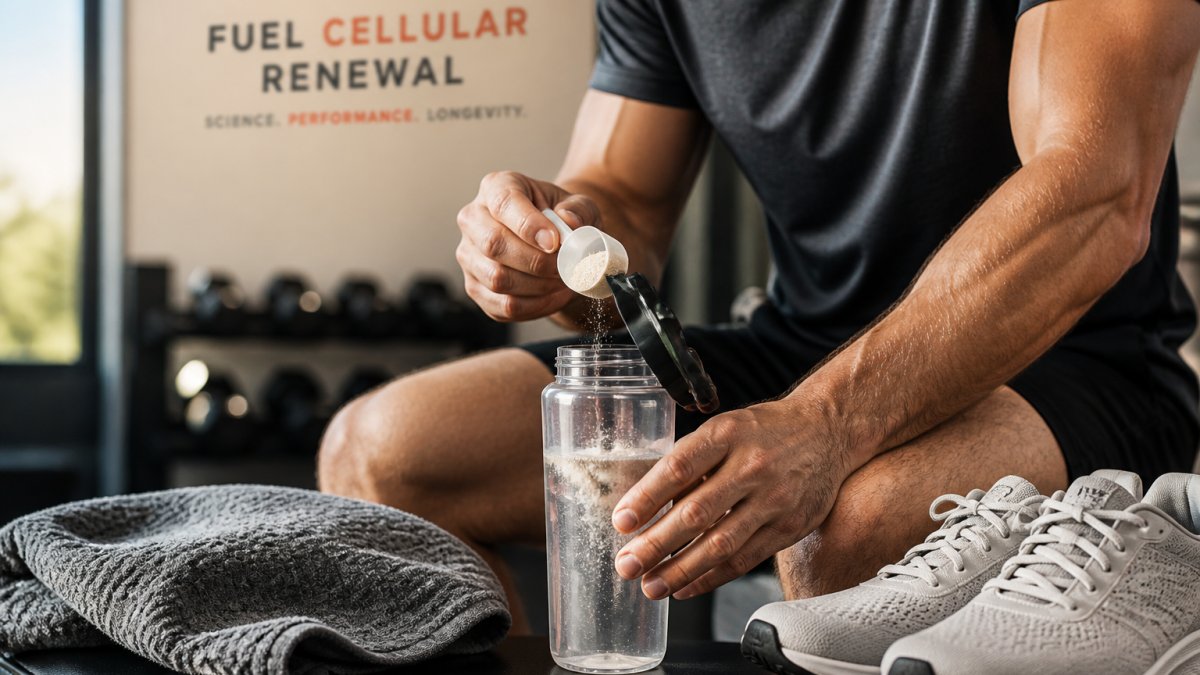
Magnesium gets outsized attention here. It is involved in muscle relaxation and nerve function, and many people fall short of recommended intake through diet alone.
Sodium is the electrolyte most people underrate. Our Lychee, Peach Mango, Lemonade, and Passion Fruit hydration powders combine sodium, potassium, magnesium, and calcium with no sugar and no caffeine, which makes them a fit before a fast, during your eating window, when breaking a fast, or around exercise.
Premium Creatine Monohydrate Powder →


Dosage, Timing, and Safety: What Most Guides Skip
Dosage discipline separates supplements that work from supplements that waste money. Too little does nothing, more is not better past a point, and timing matters far less than most product pages imply. Below is the practical layer most guides skip: what to take, how much, how long before you judge it, and who should ask a clinician first.
Dosage and Timing by Ingredient
| Supplement | Common Daily Amount | Timing | How Long Before You Judge It |
|---|---|---|---|
| Creatine monohydrate | 3-5 g | Any time; consistency beats timing | 3-4 weeks to reach muscle saturation without loading |
| Protein | Enough to hit your daily target | Spread across 3-5 servings | Immediate; this is a nutrition floor, not a trial |
| Electrolytes | Scaled to sweat loss, heat, and session length | During or after long, hot, or heavy sessions | Same session for hydration; not a chronic protocol |
| Omega-3 (EPA/DHA) | Follow the product label; formulations vary widely | With a meal containing fat | 8-12 weeks for tissue incorporation |
| Magnesium | Near recommended intake from food plus supplement | Evening is common but not required | Weeks, and mainly relevant if intake was low |
| Collagen | Per product label, often paired with vitamin C | 30-60 minutes before loading activity | 12+ weeks for connective tissue endpoints |
| BCAAs | Per product label | Around training | Not needed if daily protein is adequate |
A few notes that matter more than the numbers:
- Timing is overrated for most ingredients. Total daily intake and consistency drive outcomes for creatine and protein. The narrow "anabolic window" framing has not held up well; the practical rule is not going to bed protein-deficient after a hard session.
- Duration matters for judging anything. A supplement you have taken for five days tells you almost nothing. Give creatine a month, omega-3 several months, and collagen a full training block before drawing conclusions.
- One variable at a time. Adding four products in the same week makes it impossible to attribute a change, good or bad, to any single one.
Safety, Interactions, and Contraindications
This is the section most supplement content skips, and the one that matters most if you take prescription medication or manage a health condition.
- Creatine: Well tolerated in healthy people at standard doses in the human literature. People with kidney conditions, or those taking medications that affect kidney function, should talk to a clinician before starting.
- Magnesium: Large single doses commonly cause digestive upset. Magnesium can also interact with certain medications, including some antibiotics and diuretics, so check with a pharmacist if you take either.
- Omega-3: Can interact with blood-thinning medications. If you take an anticoagulant or antiplatelet drug, or have a bleeding disorder, clear it with a clinician first.
Anyone who is pregnant, nursing, under 18, taking prescription medication, or managing a medical condition should clear new supplements with a healthcare professional before starting. That is not a legal disclaimer; it is the practical answer to "can I just take this."
The Gap Most Guides Miss: Effect Sizes
Even the strongest supplements produce modest, incremental effects, not transformations. Creatine's strength and power benefits in the human literature are real but measured in single-digit percentage improvements over weeks, not overnight changes. Protein works because it fills a requirement, not because it is a drug. Everything else on this list is smaller still. If a product promises dramatic recovery, the promise is the product.
Third-Party Testing and Product Quality
Third-party testing is one of the most useful quality signals available to a consumer, and one most shoppers ignore.
Look for:
- A named certifying lab, not a vague "lab tested" badge
- A batch-specific certificate, not a generic one
- Clear disclosure of the actual ingredient form
What most guides miss is that testing is not a regulatory guarantee.
We list full ingredient information on every product page for exactly this reason. If a brand will not tell you what is in the tub, that silence is the answer.
Recovery Beyond Supplements: Sleep, Soreness, and Injury
Sleep is the most powerful recovery tool that exists, and no supplement comes close to matching it.
Beyond sleep, the fundamentals are unglamorous:
- Eat enough total calories and protein
- Manage training load so hard sessions are followed by easier ones
- Stay hydrated across the whole day, not just around workouts
Distinguishing soreness from injury matters here.
For more on how hydration fits into a broader active routine, the CDC's guidance on water and hydration is a useful plain-language reference.
Recovery is not a product you buy; it is a process you support, and the supplement aisle only helps at the margins.
Frequently Asked Questions
Which supplement is best for fast muscle recovery?
Creatine monohydrate has the strongest human evidence, but mainly for performance and training adaptation: supporting phosphocreatine availability, strength, power, and repeated high-intensity effort, not for directly easing soreness. Protein comes second, helping repair muscle tissue when total daily intake is adequate. Electrolytes support hydration and replace fluid and mineral losses, which matters most when you sweat heavily, train hard, or exercise in heat. No single supplement replaces sleep, adequate calories, and smart programming. Most people see the biggest difference by getting protein and creatine right first, then adding electrolytes around hard or hot sessions.
Does creatine help with muscle recovery?
Yes, with context. Creatine monohydrate is one of the most studied sports supplements, with human trials supporting faster phosphocreatine replenishment and improved performance across repeated bouts. That can translate to less drop-off between sets and sessions. It does not erase soreness or replace recovery fundamentals. A common researched protocol is 3 to 5 grams daily, though loading protocols use higher amounts for the first several days.
Is protein or creatine better for muscle recovery?
They do different jobs. Protein supplies amino acids for muscle repair and is essential for anyone training regularly. Creatine supports rapid energy regeneration during high-intensity work. If you had to pick one, protein is more foundational because you need adequate intake regardless. Many people use both. A practical target is 1.6 to 2.2 grams of protein per kilogram of body weight daily, spread across meals.
Do electrolytes help muscles recover after exercise?
Electrolytes help restore fluid balance and support normal muscle and nerve function after sweating. Sodium and potassium are lost in sweat, and magnesium plays a role in muscle relaxation. If you train hard, sweat heavily, or exercise in heat, an electrolyte drink can help you rehydrate more effectively than plain water. For light activity in cool conditions, the benefit is smaller. Look for options without excessive sugar.
How long does muscle recovery usually take?
Recovery time varies by training intensity, volume, fitness level, age, and sleep quality. Soreness from unfamiliar or intense exercise often peaks 24 to 72 hours later. Muscle protein synthesis stays elevated for roughly 24 to 48 hours after a session. Full structural recovery can take longer after very heavy or novel training. Supplements may support the process, but they do not override the need for rest and adequate nutrition.
What should I look for in a recovery supplement?
Prioritize third-party testing, transparent labels, and ingredients with human evidence. NSF Certified for Sport and Informed Sport are common testing programs. Check that dosages match what research used. Avoid proprietary blends that hide amounts. For creatine, look for creatine monohydrate. For protein, check the grams per scoop and the amino acid profile. For electrolytes, compare sodium and potassium content against what you actually lose in sweat.