
Shilajit and Autophagy Activation: What Science Says
Table of Contents
- What Is Autophagy and Why It Matters for Longevity
- How Shilajit Interacts with Cellular Recycling Pathways
- Shilajit and the mTOR Pathway: A Complex Relationship
- Examining the Research on Shilajit and Autophagy Activation
- Dosage, Quality, and Purity: What to Look For
- How to Support Autophagy Naturally While Fasting
- Best Anti Aging Supplements for Men Over 60: Where Shilajit Fits
- Conclusion: Should You Add Shilajit to Your Routine?
- Frequently Asked Questions
Last Updated: September 8, 2026
What Is Autophagy and Why It Matters for Longevity
Autophagy is the body's cellular recycling system, a process where cells break down and clear out damaged components, misfolded proteins, and dysfunctional organelles. This natural housekeeping mechanism is central to cellular homeostasis, helping maintain tissue function and resilience as we age. Interest in shilajit autophagy activation has grown alongside the broader longevity movement, which treats cellular cleanup as a pillar of healthy aging.

The signal for autophagy typically strengthens under conditions of metabolic stress, most notably during fasting and caloric restriction. When nutrient sensing drops, the cell shifts resources from growth toward repair. At Autophagy Nutrition, our formulas are designed to support fasting and exercise performance. The key question for many health-conscious adults is whether specific compounds, like shilajit, can support this process without disrupting the fast itself.
Here is what the evidence actually suggests, and where the gaps remain. We will separate the biochemistry from the marketing claims, walk through the research on shilajit and autophagy activation, and provide practical guidance on dosage, quality, and how to support cellular recycling naturally.
How Shilajit Interacts with Cellular Recycling Pathways
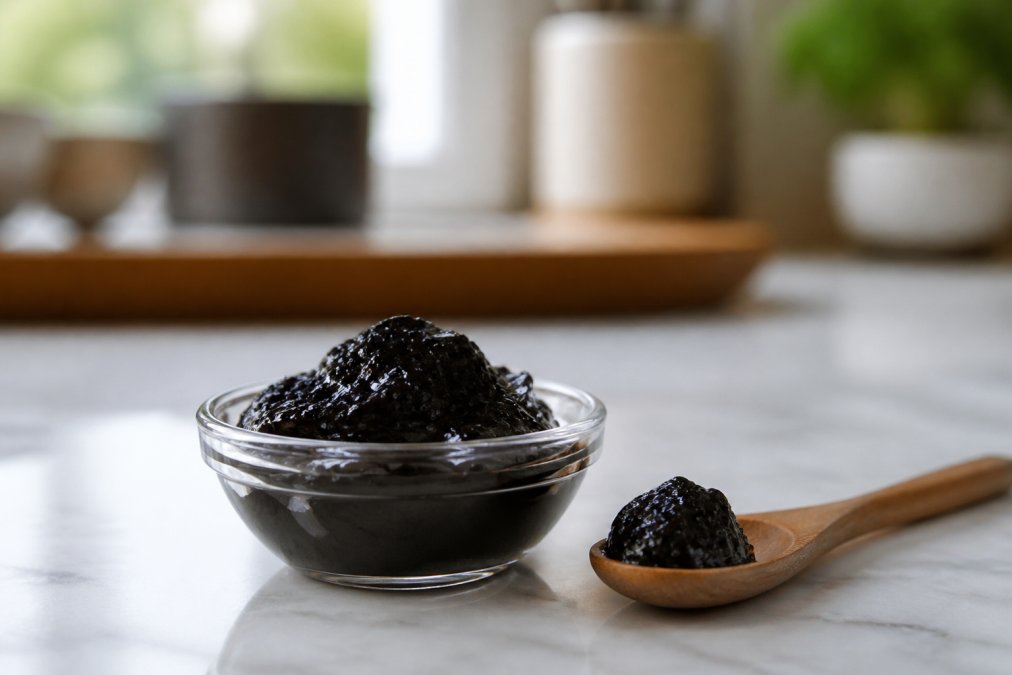
Shilajit is a resinous substance that exudes from rock layers in high mountain ranges, formed over centuries from the slow decomposition of plant matter. Its primary bioactive component is fulvic acid, a humic substance that acts as a carrier, shuttling trace minerals and other compounds into cells. The mineral and fulvic acid content gives shilajit a distinctive micronutrient profile that has drawn attention in longevity circles.
The interaction between shilajit and autophagy is indirect. Rather than triggering the recycling pathway directly, shilajit appears to influence cellular stress responses. Fulvic acid has demonstrated antioxidant properties, helping neutralize free radicals and reduce oxidative stress. By lowering oxidative burden, shilajit may help cells maintain the metabolic flexibility needed to respond to fasting signals.
The research on shilajit and autophagy relies heavily on cell and animal models. The distinction between preclinical evidence and proven human outcomes matters here. Treating in vitro findings as if they translate directly to human physiology is a common mistake. The antioxidant and cytoprotective effects of fulvic acid are well documented, but whether these translate into measurable autophagy activation in humans remains an open question.
Shilajit and the mTOR Pathway: A Complex Relationship
The mTOR pathway is a master regulator of cell growth and protein synthesis, operating in opposition to autophagy. When mTOR complex 1 (mTORC1) is active, the cell prioritizes anabolic processes like protein translation and lipid synthesis. When mTORC1 is suppressed, typically under conditions of low energy and amino acid availability, the cell shifts toward catabolic processes, including autophagy. This is why the relationship between shilajit and mTOR is more complex than a simple yes or no.
The primary bioactive component of shilajit, fulvic acid, does not act as a direct mTOR inhibitor like rapamycin or a direct AMPK activator like metformin. Instead, its influence is indirect, mediated through effects on cellular energy status and oxidative stress. Preclinical research on humic substances, including fulvic acid, suggests they can influence mitochondrial function. By supporting the electron transport chain and potentially improving the efficiency of ATP production, fulvic acid could theoretically reduce the AMP:ATP ratio, a key signal that activates AMPK. Lower AMPK activity would then relieve its inhibition on mTORC1, potentially shifting the cell toward growth pathways rather than autophagy.
However, this is a theoretical cascade based on cell and animal models. The National Institutes of Health's research database shows that direct studies on shilajit and mTOR in human tissue are absent. The research that exists is largely in vitro, where concentrations of fulvic acid are often supraphysiological and not representative of what is achieved through oral supplementation. It is a common mistake to assume that the antioxidant effects of fulvic acid, which are well-documented, automatically translate to a specific effect on the mTOR-autophagy axis. Antioxidant activity reduces oxidative stress, which can protect cells from damage, but this is a distinct process from the nutrient-sensing pathways that govern autophagy.
Another layer of complexity is the dose-response relationship. In cell models, low doses of certain phytochemicals can stimulate stress-resistance pathways like autophagy, while higher doses may trigger apoptosis or necrosis. This hormetic effect is often not discussed in consumer-facing articles. The same compound that supports cellular resilience at one concentration could theoretically activate different signaling cascades at another. For shilajit, this means the question of whether it is good for autophagy activation may not have a single answer, but rather a dose-dependent one that has not been systematically studied in humans.
For anyone practicing intermittent fasting, this distinction matters. Fasting is the primary lever for autophagy. The question of whether shilajit is good for autophagy activation depends on whether it complements or interferes with the fasting state. The evidence does not support the claim that shilajit amplifies autophagy during a fast, and its potential effects on mTOR signaling remain an area of active investigation rather than established fact.
Examining the Research on Shilajit and Autophagy Activation
The scientific literature on shilajit autophagy directly is thin. Most of what circulates online extrapolates from studies on fulvic acid, humic substances, and their effects on cellular stress pathways. Laboratory research demonstrates that fulvic acid can influence oxidative stress markers and support mitochondrial function, both of which are relevant to cellular health.
A recurring theme in the research is the role of fulvic acid in cellular detoxification and mineral transport. By improving bioavailability of trace minerals, shilajit may support the enzymatic processes that underpin cellular repair. Yet none of these findings confirm that shilajit triggers autophagy in human tissue. According to the National Institutes of Health's research database, the bulk of evidence on humic substances and cellular recycling remains preclinical.
The honest position is that shilajit shows promise as a supportive compound for metabolic health and antioxidant defense, but it does not have the direct evidence base that fasting does for autophagy. The research gap is significant, and consumers should treat bold claims with appropriate skepticism. Dosage-dependent responses, where higher amounts might produce different effects on cellular pathways, have not been systematically studied in humans.
Dosage, Quality, and Purity: What to Look For
Shilajit quality varies enormously between sources, and purity directly affects both safety and efficacy. Authentic shilajit is a dark, tar-like resin that dissolves readily in warm water. Powdered extracts and capsules are convenient alternatives, but they require careful processing to preserve the fulvic acid content. The form factor and purity markers also have practical implications for anyone using shilajit in a fasting protocol.
| Form | Typical Serving | Fulvic Acid Content | Processing Required |
|---|---|---|---|
| Raw resin | Pea-sized amount (approx. 300-500 mg) | Highest, but variable | Minimal; requires purification |
| Powdered extract | 300-500 mg | Standardized, often 40-60% | Spray-dried or freeze-dried |
| Capsules | 300-500 mg | Standardized, often 40-60% | Encapsulated powder |
The primary quality marker is the fulvic acid percentage, which should be disclosed on the label or certificate of analysis. A high-quality extract will typically specify a fulvic acid content in the range of 40-60%. Raw resin, while traditional, has a highly variable fulvic acid content that depends on the source altitude and processing method. This variability makes it difficult to determine a consistent dose, which is a significant issue given that the autophagy-related effects of fulvic acid have not been characterized in humans.
Another critical marker is the absence of contaminants. Unpurified shilajit can contain mycotoxins, heavy metals, and humic acid fractions that are not bioactive. Look for products that disclose third-party testing for these contaminants. It is a common mistake to assume darker always means better; the color of the resin is influenced by the mineral content and oxidation state, not necessarily the fulvic acid concentration. A reputable manufacturer will provide a certificate of analysis showing both the fulvic acid content and the absence of lead, arsenic, cadmium, and mercury.
For those considering shilajit as part of a longevity stack, the Premium Shilajit Vitality Complex from Autophagy Nutrition(https://www.autophagynutrition.com/products/shilajit-adaptogen-complex) combines shilajit extract with ashwagandha, tongkat ali, and sea moss in a standardized capsule format. This provides a consistent serving without the mess of handling raw resin, and the capsule format supports easy daily use. The standardized extract ensures a reproducible fulvic acid dose, which is the most important factor for anyone trying to track their supplement intake alongside a fasting protocol.
How to Support Autophagy Naturally While Fasting
Fasting is the most reliable way to activate autophagy, and the research here is far stronger than for any supplement. The process begins when the body exhausts glycogen stores and shifts toward fat oxidation and ketosis. This metabolic switch, governed by AMPK activation and suppressed mTOR signaling, creates the conditions for cellular recycling.
To support autophagy naturally, focus on the fundamentals:
- Maintain a consistent intermittent fasting schedule of zero-calorie intake
- Prioritize whole foods rich in polyphenols during eating windows to support mitochondrial function
- Engage in regular exercise, which independently stimulates cellular stress responses
- Ensure adequate sleep, as autophagic activity peaks during rest periods
A common misconception is that supplements can substitute for the fasting stimulus. They cannot. The caloric restriction itself is what drives the metabolic switch. Adding compounds like shilajit may support overall cellular health, but it does not accelerate the onset of autophagy.
For those exploring how to support autophagy naturally, the sequence matters more than any single addition. Get the fasting protocol right first, then consider whether a supplement stack supports your energy and recovery needs. Shilajit's role is best understood as supportive of metabolic health, not as a fasting mimetic.
Best Anti Aging Supplements for Men Over 60: Where Shilajit Fits
For men over 60, the supplement landscape is crowded with products making longevity claims. The best anti aging supplements for men over 60 focus on cellular energy, NAD+ levels, and mitochondrial support, areas where the evidence is more established. Shilajit fits into this category as a trace mineral and fulvic acid source, but it should not be the foundation of a longevity protocol.
The table below shows how shilajit compares to other cellular health supplements on objective criteria:
| Supplement | Primary Mechanism | Serving Format | Price Point |
|---|---|---|---|
| Shilajit | Fulvic acid, trace minerals | Resin, powder, capsules | $35.00 |
| NMN | NAD+ precursor | Capsules | $55.00 |
| NAD+ | NAD+ support | Capsules | $60.00 |
The Premium NMN capsules(https://www.autophagynutrition.com/products/nmn-capsules-500mg) provide 500 mg of beta-nicotinamide mononucleotide per serving, supporting the NAD+ pathway that declines with age. Similarly, the NAD+ dietary supplement(https://www.autophagynutrition.com/products/nad) combines NAD+ with quercetin for enhanced absorption. These products target the cellular energy systems that become less efficient over time.


For men over 60, a practical approach pairs fasting with targeted supplementation. Shilajit contributes minerals and antioxidant support, while NMN or NAD+ directly addresses the coenzyme levels that decline with age. Neither replaces the other, and both work best alongside exercise and proper nutrition.
Conclusion: Should You Add Shilajit to Your Routine?
The evidence on shilajit and autophagy activation is promising but preliminary. Shilajit supports the cellular environment through its antioxidant properties and mineral content, and it may complement a fasting protocol by supporting metabolic health. What it does not do, based on current research, is directly activate autophagy in the way that caloric restriction does.
The most defensible position is to treat shilajit as a supportive longevity supplement rather than a primary autophagy activator. If you are already practicing intermittent fasting and maintaining an active lifestyle, adding a high-quality shilajit product can round out your mineral intake and support cellular resilience. Choose a product with verified purity, and be skeptical of any brand claiming that shilajit alone triggers the recycling process.
Ready to build a science-backed supplement routine for healthy aging? Explore the full range of shilajit, NMN, and NAD+ formulas designed for fasting and cellular support at Autophagy Nutrition and find the combination that fits your goals.
Frequently Asked Questions
Will shilajit stop autophagy?
Research on shilajit and autophagy is mostly preclinical. The primary concern is that shilajit may activate the mTOR pathway, which can inhibit autophagy. However, the effect likely depends on dosage and timing. If your goal is to maximize autophagy during a fast, the safest approach is to avoid all supplements during the fasting window, as any caloric intake can disrupt the process.
Can I take shilajit while fasting?
Fasting is defined as zero caloric intake. Shilajit resin contains trace amounts of organic compounds and calories. For those using shilajit for its potential benefits, the practical approach is to take it during your eating window. This ensures you do not compromise the fasting state and still allows you to incorporate the supplement into your daily routine.
What is the scientific consensus on shilajit and cellular repair?
The scientific consensus is that the evidence is preliminary. Most studies on shilajit and autophagy are in animal or cell models. These studies suggest that fulvic acid, a key component of shilajit, may influence cellular energy and antioxidant pathways. However, these findings do not equate to proven effects on autophagy in humans. More clinical research is needed to confirm any direct impact on cellular repair processes.
How do fulvic acid and humic substances influence cellular processes?
Fulvic acid and humic substances are the primary active components of shilajit. In cell studies, fulvic acid acts as an antioxidant, helping neutralize free radicals that cause oxidative stress. Some research also suggests it can influence mitochondrial function and energy production. These actions are important for overall cellular health, but they are not the same as directly activating the autophagy pathway. The distinction is key when evaluating shilajit's role in longevity.