
NMN for Cellular Health: Benefits, Dosage & Safety
Table of Contents
- What Is NMN and How It Supports Cellular Health
- How NMN Relates to NAD+ and Cellular Energy Metabolism
- Key Benefits: DNA Repair, Mitochondrial Function, and Healthy Aging
- NMN Dosage and Safety: What the Research Shows
- NMN and Healthy Aging in Men Over 60: Where the Evidence Stands
- How to Evaluate NMN Effectiveness and Choose Quality Products
- Frequently Asked Questions
Last Updated: August 31, 2026
What Is NMN and How It Supports Cellular Health
Nicotinamide Mononucleotide (NMN) is a precursor molecule that your body converts into NAD+ (Nicotinamide Adenine Dinucleotide), a coenzyme essential for cellular energy production and repair processes. Think of NMN as a building block, your cells use it to manufacture NAD+, which then powers hundreds of enzymatic reactions that keep your mitochondria functioning, your DNA intact, and your metabolism running efficiently.
At Autophagy Nutrition, we've analyzed how NMN fits into the broader landscape of cellular health supplements because it addresses a real physiological reality: NAD+ levels naturally decline with age. By your 40s and 50s, cellular NAD+ concentrations are lower on average, a pattern that has been associated with changes in energy metabolism and DNA repair capacity, though researchers are still working out how much of this is cause versus correlation. This is where NMN supplementation enters the picture: it's intended to raise NAD+ levels, and human studies have measured that biomarker change, though they have not established that it restores NAD+ to youthful levels or produces a specific clinical benefit.
The appeal of NMN comes from how it's absorbed. Direct NAD+ supplementation has poor bioavailability, since NAD+ itself is not well absorbed intact. NMN is a smaller precursor molecule that cells can take up and convert into NAD+, though the exact absorption and uptake pathways are still being studied and are more complex than marketing materials often suggest. Research in cells and animals has explored links between precursor availability and NAD+-dependent processes like mitochondrial function and cellular repair, but this has not been established as a clinical benefit in human trials.

How NMN Relates to NAD+ and Cellular Energy Metabolism
NMN participates in NAD+ biosynthesis: after oral supplementation, NMN and/or its metabolites enter NAD+ metabolic pathways, though the exact human pharmacokinetics and tissue-specific uptake are still active areas of research. This conversion is what matters, NAD+ is the actual molecule doing the work in your mitochondria and nucleus.
Inside your cells, NAD+ functions as a critical cofactor for energy metabolism. It's essential for glycolysis (the breakdown of glucose), the citric acid cycle, and oxidative phosphorylation, the processes that generate ATP, your cells' energy currency. When NAD+ levels drop in cell and animal studies, these pathways become less efficient, though whether this decline is a meaningful cause of the fatigue some people experience with age has not been established in human research.
Beyond energy, NAD+ activates sirtuins, a family of proteins involved in cellular stress resistance, DNA repair, and metabolic regulation. Sirtuins are sometimes called "longevity proteins" in research literature, a name based on their role in cell and animal studies of aging rather than a proven longevity effect in humans. In cell and animal research, supporting NAD+ availability has been linked to better management of oxidative stress, but whether this translates into measurable genomic stability benefits in people has not been established.
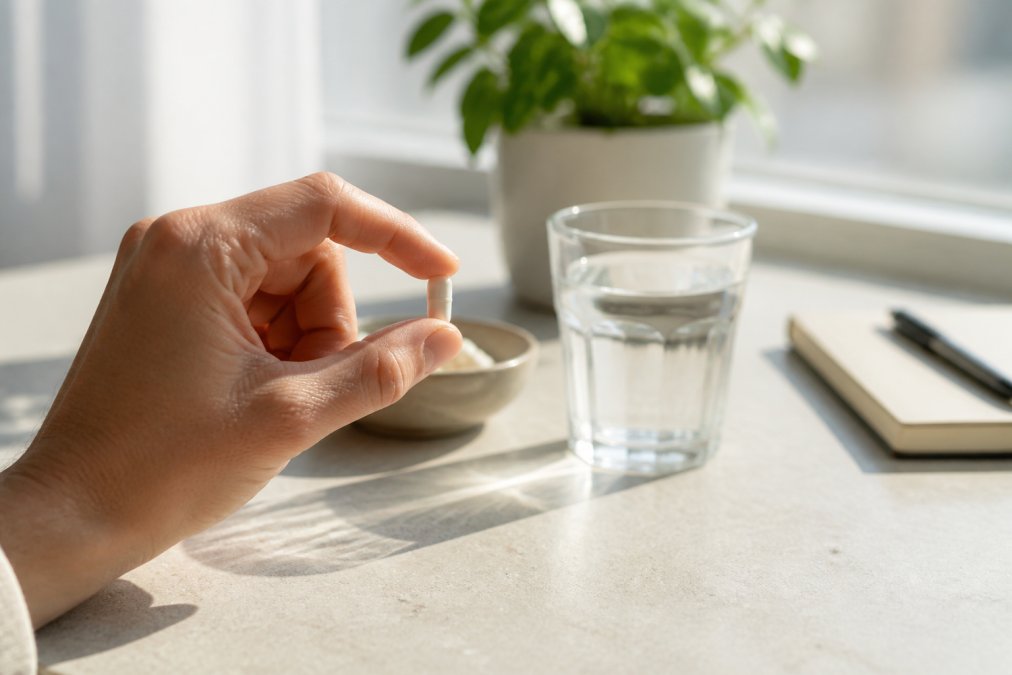
NAD+ Precursor Supplements and Bioavailability
Not all NAD+-supporting supplements are created equal. The challenge is that NAD+ itself has almost no bioavailability, your gut can't absorb it effectively, and it breaks down quickly in circulation. This is why precursor molecules like NMN, NR (nicotinamide riboside), and niacin are used instead.
NMN, NR, and niacin are absorbed and metabolized differently, and the full picture of how each reaches cells and gets converted to NAD+ is more complex than marketing materials often suggest. Some research describes NMN as being taken up through nucleotide transport pathways, while NR requires an extra enzymatic conversion step after absorption, and niacin (vitamin B3) works through yet another pathway but can cause flushing and other side effects at higher doses. Human trials directly comparing these precursors head to head are limited, so claims that one is clearly superior to another are not well supported.
Many longevity-focused consumers choose NMN as their NAD+ precursor, though direct head-to-head human comparisons with other precursors remain limited. Autophagy Nutrition's NMN Capsules provide 500 mg of NMN per serving in a daily capsule format.

Key Benefits: DNA Repair, Mitochondrial Function, and Healthy Aging
The research into NMN's cellular effects centers on three interconnected processes: mitochondrial energy production, DNA repair capacity, and metabolic resilience. These aren't separate benefits, they're part of the same cellular maintenance system.
DNA Repair and Genomic Stability: NAD+-dependent enzymes called PARPs (poly-ADP-ribose polymerases) are frontline responders to DNA damage. When cells experience oxidative stress or radiation exposure, PARPs use NAD+ to tag and repair damaged DNA strands. In cell and animal studies, low NAD+ availability has been linked to slower repair and mutation accumulation. NMN raises NAD+ levels in the body, which is the mechanistic basis for interest in DNA repair, but human trials have not established that NMN supplementation speeds up DNA repair or maintains genomic stability in people.
Mitochondrial Function and Energy Production: Mitochondria depend on NAD+ to generate ATP. Age-related declines in NAD+ correlate with changes in mitochondrial function in laboratory and animal research, and some human trials have measured increases in blood NAD+ levels after NMN supplementation. However, those biomarker changes have not been consistently linked to measurable improvements in energy, recovery, or exercise capacity in people, and NMN's effect on mitochondrial efficiency in humans remains unproven.
Metabolic Resilience and Cellular Stress Response: Sirtuins are a family of NAD+-dependent enzymes that regulate how cells respond to metabolic stress, including caloric restriction, exercise, and fasting. In cell and animal studies, sirtuin activity has been linked to cellular cleanup processes (autophagy), inflammation signaling, and metabolic flexibility. NMN raises NAD+, which theoretically supports sirtuin activity, but this chain has not been demonstrated in human NMN trials, there is no human evidence that NMN supplementation increases autophagy, reduces inflammation, or improves metabolic flexibility in people. Interest in NMN for longevity and metabolic optimization is based on this cellular mechanism, not confirmed human outcomes.
NMN Dosage and Safety: What the Research Shows
Most human studies examining NMN supplementation have used doses ranging from 250 mg to 1,000 mg per day. The doses chosen in research typically depend on the study's goals, shorter studies often use higher doses to detect effects quickly, while longer-term protocols may use moderate doses to assess sustained safety and tolerability.
Autophagy Nutrition's NMN Capsules provide 500 mg of NMN per serving. That amount falls within the range used in human studies, but research doses are chosen to test specific outcomes in a study setting and don't establish an optimal dose for an individual consumer. Within published studies, some protocols use a single daily dose while others split the total across two doses.
Regarding safety, human studies of NMN have generally been short in duration, and within that window reported side effects have been mild and infrequent, occasional nausea, headache, or mild gastrointestinal discomfort, usually at higher doses or on an empty stomach. Taking NMN with food may improve tolerability. Long-term safety data in humans is limited, so this isn't something you can judge by how you feel day to day. If you have a medical condition, are pregnant or breastfeeding, or take medication, talk to a healthcare professional before starting NMN.
Factors that influence your NMN response:
- Age (NAD+ levels decline with age, though this doesn't mean NMN's effect differs by age in humans)
- Baseline NAD+ levels (which decline with age and vary by individual)
- Exercise frequency (exercise independently affects NAD+ metabolism, though this hasn't been shown to change how someone responds to NMN)
- Sleep quality (NAD+ metabolism is tied to circadian rhythms)
- Diet (certain nutrients support NAD+ synthesis)
- Genetics (individual variation in NAD+-metabolizing enzymes)
NMN and Healthy Aging in Men Over 60: Where the Evidence Stands
For men over 60, the cellular reality is clear: NAD+ levels tend to decline with age, and this decline is linked to reduced mitochondrial efficiency and slower DNA repair capacity. NMN is a NAD+ precursor, and human studies have shown it can raise NAD+ levels in the blood. Whether that translates into meaningful changes in energy, recovery, or metabolic function in men over 60 is still being studied, it is not an established anti-aging intervention.
NMN supplementation, if used at all, works best alongside the fundamentals that have the strongest evidence for healthy aging in men over 60: regular exercise (especially strength training and aerobic work), adequate protein intake, quality sleep, and stress management. These lifestyle factors have well established benefits for energy, recovery and metabolic health on their own, independent of whether NMN is added to the routine.

Creatine monohydrate has a much stronger human evidence base than NMN, with research supporting its role in increasing phosphocreatine availability and supporting strength, repeated high-intensity performance, and training adaptations. Some research also suggests possible cognitive benefits in certain populations or circumstances, though this has not been established across everyone. Electrolytes (sodium, potassium, magnesium) support hydration and muscle function. Shilajit contains fulvic acid and trace minerals, though its effects on mitochondrial function and energy in humans are less established and should be viewed cautiously. Autophagy Nutrition's product line includes NMN Capsules alongside these other supplements, but there is no specific human evidence that combining NMN with creatine produces a synergistic effect.
For men over 60, strength training, adequate sleep, and consistent nutrition are the foundation for healthy aging, with or without NMN. NMN is best viewed as an area of ongoing longevity research rather than a proven anti-aging solution.
How to Evaluate NMN Effectiveness and Choose Quality Products
Choosing an NMN supplement requires looking beyond marketing claims. Here's what actually matters when evaluating products:
Purity and Third-Party Testing: Legitimate NMN supplements should be tested by independent labs to verify the NMN content and check for contaminants. Look for products that list their testing results or provide a Certificate of Analysis (COA). This ensures you're getting what the label says, not fillers or degraded compounds.
Ingredient Simplicity: Quality NMN supplements are typically just NMN plus a capsule or minimal excipients. If a product lists dozens of ingredients, it's trying to be a multitasking supplement, which often means underdosed NMN. Autophagy Nutrition's NMN Capsules use a single-ingredient formula, 500 mg of NMN per capsule, so you know exactly what you're taking.
Manufacturing Standards: Products should be manufactured in facilities that follow Good Manufacturing Practice (GMP) standards. This means consistent quality, proper dosing, and contamination controls. Check the brand's website or label for manufacturing and testing information before buying.
Dosage Transparency: The label should clearly state the NMN amount per serving. If it's vague or buried in proprietary blends, that's a red flag. Transparent dosing lets you compare products and adjust your intake based on your needs.
Your Individual Response: How you feel while taking a supplement is not a reliable way to judge whether it is working at the cellular level, and feeling no different does not mean the dose or timing needs to change. If you have questions about whether NMN is appropriate for you, talk to a healthcare provider who can take your health history and current medications into account.
A practical approach: look for a brand with transparent labeling that states the NMN amount per serving clearly, and discuss with a healthcare provider whether NMN fits your health profile and any medications you take. Marketing claims about how a product will make you feel are not a substitute for that conversation.
Sleep, exercise, nutrition, hydration, and stress management remain the best supported ways to support healthy aging, and any medical concerns about energy, cognition, or recovery are best evaluated by a healthcare provider rather than guessed at from how a supplement makes you feel. NMN is an active area of longevity research, and human studies show it can raise NAD+ levels, though its evidence for meaningful energy or performance benefits in humans is considerably weaker than creatine's. A product like Autophagy Nutrition's NMN Capsules can be one part of a broader routine, but it is not a substitute for the fundamentals or for medical care. Shop our full cellular health collection to see the options.
Frequently Asked Questions
Is NMN beneficial for cellular repair?
NMN is a precursor to NAD+, a molecule involved in DNA damage repair mechanisms and mitochondrial function. Research in cell and animal models suggests that raising NAD+ levels may support these repair processes, but there is limited direct human clinical evidence that taking NMN improves cellular repair in people. NMN is converted into NAD+ in the body through enzymatic activity, and that conversion is what links NMN to NAD+-dependent processes like DNA repair.
What happens if you take NMN every day?
Daily NMN supplementation is intended to support ongoing NAD+ production, since NAD+ is continuously used and broken down in the body. Human studies have found daily use generally well tolerated at studied dosages (250 to 1000 mg), though these trials have mostly been short in duration, and long-term human safety data beyond a few years is limited. Whether daily NMN use translates into noticeable changes in energy or mitochondrial function has not been established in humans. Before starting daily supplementation, consult a healthcare provider, especially if you take other medications, have existing health conditions, or are pregnant or breastfeeding.
How can individuals evaluate the effectiveness of an NMN supplement?
There is no reliable way for an individual to judge NMN's effectiveness just by how they feel, since subjective energy, sleep, or mental clarity can change for many reasons unrelated to NAD+ levels. Some healthcare providers can order blood tests that measure NAD+ levels directly, but these tests show NAD+ levels only, not mitochondrial function, cellular energy, or autophagy. When choosing a product, look for third-party testing, transparent labeling, and clearly stated NMN content per serving.
What is the relationship between NMN and NAD+ levels in the body?
NMN is a precursor to NAD+: when taken, it is converted into NAD+ in the body through enzymatic activity. NAD+ itself is involved in DNA repair, ATP energy production, and the activity of enzymes called sirtuins that help regulate cellular stress responses. NAD+ levels decline with age, and human studies have shown that taking NMN can raise measured NAD+ levels in blood. Whether that increase in NAD+ biomarkers translates into restored metabolism or improved cellular function in humans has not been established and is a separate question from the biomarker change itself.