
Muscle Recovery After 40: A Science-Backed Guide
Table of Contents
- Why Muscle Recovery Changes After 40
- The Role of Protein Intake in Muscle Repair
- How to Manage Muscle Soreness After 40
- Importance of Electrolytes for Muscle Function
- Creatine Monohydrate Benefits for Aging Adults
- Sleep, Rest Days, and Active Recovery Techniques
- Supplements That May Support a Recovery Routine
- Structuring Your Training for Optimal Recovery
- Frequently Asked Questions
Last Updated: September 1, 2026
Why Muscle Recovery Changes After 40
Muscle recovery varies a great deal from person to person and changes gradually with age, driven by factors like fitness level, training load, sleep, nutrition, stress, and overall health rather than age alone. After 40, many people find recovery takes a bit more intentional effort, but it's entirely manageable. This doesn't mean you can't recover well, it means you need to be intentional about the factors that support recovery: sleep quality, nutrition timing, electrolyte balance, and training structure.
Recovery after 40 is entirely manageable when you focus on the factors that actually drive it. Your approach should prioritize consistency over intensity, and include solid nutrition, sleep, and training structure to support muscle repair.
The Role of Protein Intake in Muscle Repair
Muscle protein synthesis, the process your body uses to build and repair muscle tissue, depends on adequate protein intake at any age. For active and resistance-trained adults over 40, consistent protein intake spread across the day helps support a strong repair response, though exact needs vary by individual, training volume, and goals.
Active, resistance-trained adults over 40 benefit from protein intake distributed across multiple meals throughout the day. Research suggests roughly 1.6 to 2.2 grams per kilogram of body weight daily for those doing regular strength training, though individual needs vary. What matters most is hitting your total daily protein target. Having a protein-containing meal or snack sometime after training is helpful, but there's no strict window you need to hit.
Include a mix of protein sources: lean meats, fish, eggs, dairy, legumes, and plant-based options. If whole food sources don't meet your needs, protein powder is a convenient way to ensure adequate intake without extra meal prep.
How to Manage Muscle Soreness After 40
Delayed onset muscle soreness (DOMS), the stiffness you feel 24-72 hours after training, is linked to muscle tissue stress and the inflammatory response that follows as your body adapts to a new or harder training stimulus. How quickly that soreness resolves varies from person to person and depends on training history, recovery habits, and overall health, not just age.
Active recovery is one of the most effective tools for managing soreness. Light movement, walking, swimming, easy cycling, or gentle yoga, increases blood flow to recovering muscles without adding significant training stress. Aim for 20-30 minutes on rest days or the day after hard training.
Mobility work and flexibility training directly address stiffness from DOMS. Dedicating 10-15 minutes daily to stretching, foam rolling, or dynamic mobility work improves range of motion and reduces tightness while supporting joint health.
Anti-inflammatory support through nutrition also plays a role. Omega-3 fatty acids, found in fatty fish and certain supplements, support the body's natural inflammatory response and tissue repair.
:::pro-tip Don't confuse soreness with injury. DOMS is normal and doesn't require you to stop training. If soreness persists beyond 5 days or severely limits your range of motion, dial back intensity slightly and focus on recovery practices. :::
Importance of Electrolytes for Muscle Function
Electrolytes, sodium, potassium, magnesium, and calcium, play essential roles in muscle contraction, nerve signaling, and hydration. Sodium helps your muscles contract and supports fluid retention. Potassium regulates contraction and supports the electrical signals that drive movement. Magnesium is involved in over 300 enzymatic processes, including muscle relaxation and energy production. Calcium is fundamental to the muscle contraction process itself.
During training, especially in heat or during longer sessions, you lose electrolytes through sweat. Plain water is often enough for shorter, lower-intensity sessions, but during heavy sweating, heat, or extended exercise, an electrolyte formula that includes sodium, potassium, magnesium, and calcium can help support hydration and muscle function during and after training.
Electrolyte needs vary based on how much you sweat, the heat, how long you train, your diet, and individual factors. Plain water is enough in many situations. For substantial sweating, prolonged exercise, or hot conditions, Autophagy Nutrition's electrolyte hydration powders, available in flavors like Lemonade, Peach Mango, and Lychee, are formulated to help replace losses and support muscle function, without added sugar.

Creatine Monohydrate Benefits for Aging Adults
Creatine monohydrate is one of the most researched supplements available, with decades of evidence supporting its role in muscle performance and recovery. For active adults over 40, creatine offers specific benefits aligned with the physiological changes happening in your body.
Creatine supports muscle energy production by replenishing ATP (adenosine triphosphate), the energy currency your muscles use during exercise. This means you can maintain performance during high-intensity training, which is essential for maintaining strength and muscle mass as you age. Better training performance directly translates to better stimulus for muscle growth and adaptation.
Creatine monohydrate increases muscle creatine and phosphocreatine availability, supporting the muscle energy systems used during training. Creatine has strong evidence for supporting strength, power, repeated high-intensity performance, and training adaptations with resistance training, particularly in older adults.
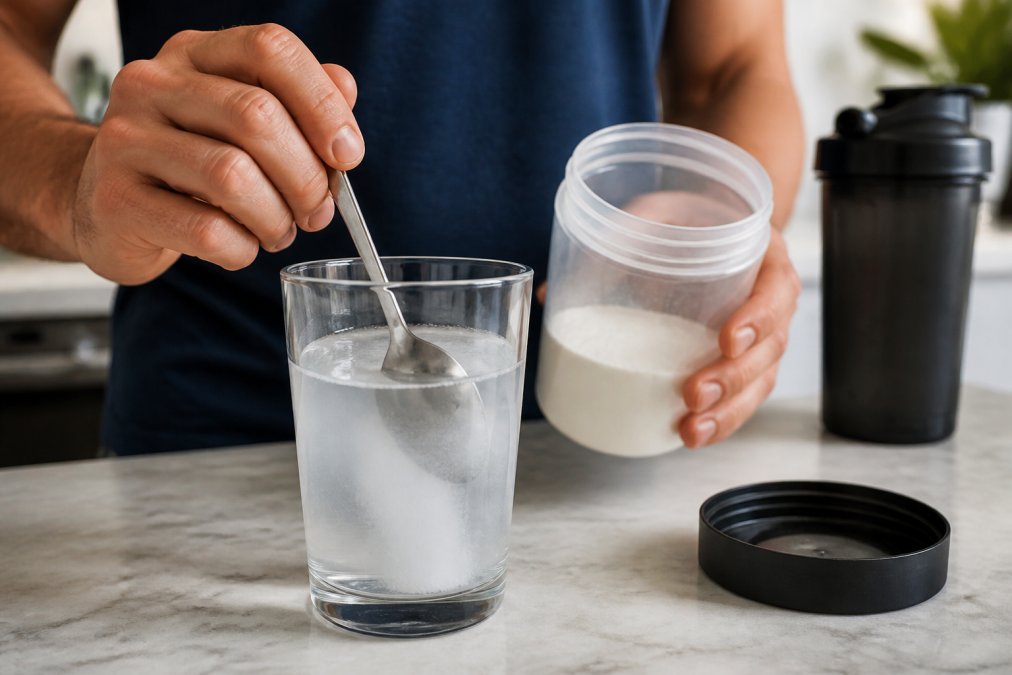
Autophagy Nutrition's Premium Creatine Monohydrate Powder is micronized for better mixability. The standard protocol is 3-5 grams daily, taken consistently. You don't need a loading phase; consistent daily intake builds up in your system over a few weeks and provides steady support for performance and recovery.

Common concerns: creatine doesn't cause dehydration when you maintain adequate fluid intake. Recommended creatine doses have not been shown to impair kidney function in healthy adults; people with kidney disease should consult a healthcare professional. It's not a stimulant and won't interfere with sleep.
Sleep, Rest Days, and Active Recovery Techniques
Sleep supports muscle recovery and training adaptation. During deep sleep, your body consolidates muscle memory from training and supports tissue repair processes. Sleep quality can be affected by many factors, including age, stress, and lifestyle, and better sleep quality generally supports better recovery capacity.
Aim for 7-9 hours of consistent sleep nightly, with a focus on sleep quality. Sleep hygiene practices that support better rest include maintaining a consistent sleep schedule, keeping your bedroom cool and dark, limiting screen time before bed, and managing stress.

Rest days are equally important as training days. Active recovery on rest days supports blood flow and mobility without adding training stress. Active recovery techniques include light cardio (20-30 minutes of walking, easy cycling, or swimming), mobility work (dynamic stretching, yoga, or tai chi), foam rolling, and breathing practices that support nervous system recovery.
Periodization, structuring your training with planned variations in volume and intensity, becomes more important after 40. A simple approach includes harder training weeks followed by easier weeks, which gives your body time to fully adapt and recover.
Supplements That May Support a Recovery Routine
Beyond protein and creatine, several supplements support the recovery process when used strategically.
Omega-3 fatty acids are associated with a healthy inflammatory response, which plays a role in training recovery. Fatty fish like salmon, mackerel, and sardines provide EPA and DHA, and a fish oil supplement can help if your diet is low in these sources. Needs vary by diet and individual factors, so follow product guidance or a healthcare provider's advice on dosage.
Magnesium plays a role in muscle relaxation and energy production, and some active adults have suboptimal magnesium intake. Magnesium glycinate or magnesium threonate are commonly used forms. If you're considering supplementing, follow product guidance or talk to a healthcare provider about an appropriate dose for you.
Electrolyte formulas replace minerals lost during training and support hydration when sweat losses are significant. How much you need depends on sweat rate, heat, exercise duration, diet, and individual factors, and plain water is enough for many day-to-day workouts. Autophagy Nutrition's electrolyte hydration powders provide sodium, potassium, magnesium, and calcium in balanced ratios, and are best suited for substantial sweating, prolonged training sessions, or hot environments.
| Supplement | Primary Role | Typical Dose | Best Timing |
|---|---|---|---|
| Creatine Monohydrate | ATP production, muscle creatine/phosphocreatine availability | 3-5g daily | Consistent daily intake |
| Omega-3 Fatty Acids | Inflammatory response support | See product guidance | With meals |
| Magnesium | Muscle relaxation, energy production | See product guidance | Individual preference |
| Electrolytes | Hydration, muscle function, mineral replacement | As needed during/after training | During or post-training |
The fundamentals, protein, sleep, training structure, and hydration, matter far more than supplement stacking. Choose 1-2 supplements that address your specific needs rather than taking everything.
Structuring Your Training for Optimal Recovery
How you structure your training directly impacts how well you recover, at any age. Paying attention to volume, intensity, and recovery helps you train effectively and stay consistent long-term.
Compound movements, squats, deadlifts, presses, rows, should form the foundation of your training. These exercises recruit multiple muscle groups and joints, which is efficient for maintaining strength and muscle mass.
Training volume needs to be sufficient to drive adaptation but not so high that recovery can't keep up. One example structure is 2-4 strength training sessions per week, each lasting 45-60 minutes, focused on compound movements with supporting exercises, though the right volume varies by individual.
Periodization prevents plateaus and manages fatigue. One common approach is to spend 3-4 weeks at a given intensity and volume, then reduce volume slightly for a deload week, though the ideal pattern varies by individual and training history.
Include dedicated mobility and flexibility work 2-3 times per week. Ten to fifteen minutes at the end of training or on rest days is sufficient. Listen to your body, if you're consistently fatigued, sleeping poorly, or noticing performance decline, reduce volume or intensity slightly and add more active recovery days.
Muscle recovery after 40 is achievable when you address the physiological realities of aging and training. Adequate protein, quality sleep, strategic supplementation, and smart training structure form the foundation. Autophagy Nutrition's creatine monohydrate and electrolyte hydration powders support this framework by filling specific nutritional gaps. Shop All and discover how targeted supplementation can enhance your recovery strategy and help you maintain strength and performance as you age.
Frequently Asked Questions
Q: Can you still build muscle after age 40?
A: Yes. While muscle protein synthesis becomes less efficient with age, a condition called anabolic resistance, consistent strength training and adequate protein intake can still drive muscle growth and adaptation. Compound exercises, proper nutrition, and recovery remain effective tools for maintaining and building muscle mass after 40.
Q: What role do electrolytes play in post-workout recovery?
A: Electrolytes like sodium, potassium, magnesium, and calcium support muscle function and hydration status. During exercise, especially in heat or during intense training, electrolyte losses occur through sweat. Replacing these minerals helps maintain fluid balance and supports muscle contraction and relaxation. Clean electrolyte formulas like those from Autophagy Nutrition provide a convenient way to replenish these losses after training.
Q: Is creatine supplementation beneficial for muscle maintenance after 40?
A: Yes. Creatine monohydrate increases muscle creatine and phosphocreatine availability and has strong evidence for supporting strength, power, repeated high-intensity performance, and training adaptations with resistance training, and may help preserve muscle mass as you age. Premium Creatine Monohydrate Powder from Autophagy Nutrition provides a clean, research-backed option for aging athletes seeking to maintain performance and muscle quality.
Q: How does recovery time change as you age?
A: Recovery time is individual, it's influenced by training load, fitness level, sleep quality, nutrition, stress, overall health, and age. Rather than assuming recovery always slows down after 40, strategic adjustments to sleep, nutrition, training frequency, and supplementation can support recovery outcomes and help you maintain athletic performance at any age.