
How to Choose an Energy Powder for Your Pre-Workout Routine
Last Updated: November 4, 2026
Quick Summary
The best energy powders for pre-workout routines are dry drink mixes built around caffeine, usually with supporting ingredients such as amino acids, electrolytes, and B vitamins. Choose one by reading total caffeine per serving as a number, comparing it to your existing coffee intake, and checking serving size, ingredient doses, and testing documentation.
- Caffeine is the ingredient with the most consistent human evidence for alertness and perceived effort.
- Take caffeine roughly 30 to 60 minutes before training, and time your last dose around your own bedtime and caffeine sensitivity, since caffeine can stay in your system for hours afterward.
- Start first-time users with a half serving rather than a full one and follow the label's directions. Feeling less stimulation over time does not mean you need more, so never exceed the recommended serving.
- Caffeine stacks, so count coffee and tea against your daily total. The FDA cites 400 mg a day from all sources as an amount generally not associated with negative effects for most healthy adults, but that is not a target or a safe limit for everyone, and some people need substantially less.
- Look for a named manufacturing facility, batch testing documentation, and third-party sports certification for tested athletes.
Table of Contents
- What Energy Powders Actually Do Before a Workout
- Ingredients That Carry the Energy Label
- How to Time Your Pre-Workout Nutrition
- Pre-Workout Supplement Safety and Efficacy: What the Evidence Supports
- Matching an Energy Powder to Your Training and Your Caffeine Habits
- Building Your Pre-Workout Routine Around an Energy Powder
- Frequently Asked Questions
What Energy Powders Actually Do Before a Workout
Energy powders are dry drink mixes built around a stimulant, usually caffeine, plus supporting ingredients such as amino acids, electrolytes, and B vitamins.
The honest answer to what they do is narrower than the marketing suggests.
That distinction matters more as you get older. Recovery, sleep, and training consistency do most of the work. A powder can help you show up for a session.
Energy Powder vs. Energy Drink: The Practical Difference
An energy drink is a ready-made, often carbonated and sweetened beverage sold in a can. An energy powder is a concentrate you portion yourself into water.
That single difference changes three things shoppers care about:
- Control. You decide the scoop size, water volume, and flavor strength.
- Portability. A tub or stick pack travels better than a can. Cost per serving varies by brand, so compare labels before you decide.
- Label transparency. Transparency varies by brand and format, not just by powder versus can. Check whether the label lists every active ingredient with amounts, or hides behind a "proprietary blend."
The trade-off is effort. You need water, a shaker, and about thirty seconds. If you will not do that at 6 a.m., a can is the more realistic choice.
Ingredients That Carry the Energy Label
Most labels stack the same handful of ingredients, and understanding what each contributes is the fastest way to sort a good formula from a loud one. Below is how we read a panel, with the dose ranges that show up in the research literature.
Caffeine and L-Theanine
Caffeine is a stimulant that reduces perceived fatigue and improves alertness by blocking adenosine receptors in the brain.
The number that matters is the total caffeine per serving, printed plainly on the label.
L-theanine is an amino acid found in tea.
Watch out: a "proprietary energy blend" that lists caffeine without a number tells you nothing about whether the scoop is mild or aggressive.
Beta-Alanine, Citrulline, and the Performance Ingredients
Beta-alanine is an amino acid that supports muscle carnosine, a buffer that helps delay fatigue in short, high-intensity efforts, a set of heavy squats or a sprint interval, not a long steady run. The effect comes from regular daily intake over several weeks, not from a single pre-workout scoop.
Citrulline (often as citrulline malate) is a precursor to nitric oxide and is used in formulas aimed at blood flow and perceived pump. Treat it as a supporting ingredient rather than a reason to buy.
Electrolytes and B Vitamins
Electrolytes support fluid balance and normal muscle and nerve function. Some pre-workout powders contain electrolytes, but their suitability for hydration depends on the amounts provided and your workout. Whether you need more electrolytes depends on your fluid intake, the product's sodium content, how long you train, and how much you sweat. For long training sessions, pairing electrolytes with adequate carbohydrate fueling supports performance better than electrolytes alone.
B vitamins support normal energy metabolism, a cellular process rather than a stimulant effect.
If hydration is your main goal rather than stimulation, our daily hydration and electrolytes collection covers caffeine-free options containing electrolytes. Readers who want the deeper physiology can start with how electrolytes affect cognitive function.
Reading the Panel in Order
Check these details before choosing a powder:
- Total caffeine in milligrams per serving, including caffeine from botanical sources.
- Serving size and directions for use.
- Disclosed amounts of other active ingredients.
- Electrolyte amounts, especially sodium, if hydration is a goal.
- Sweeteners and any ingredients you need to avoid.
- Cost per serving: divide the price by the number of labeled servings.
- Relevant batch-testing documentation and sports certification, where applicable.
The testing section below explains how to assess quality documentation.
How to Time Your Pre-Workout Nutrition
Timing is where most routines quietly fall apart.
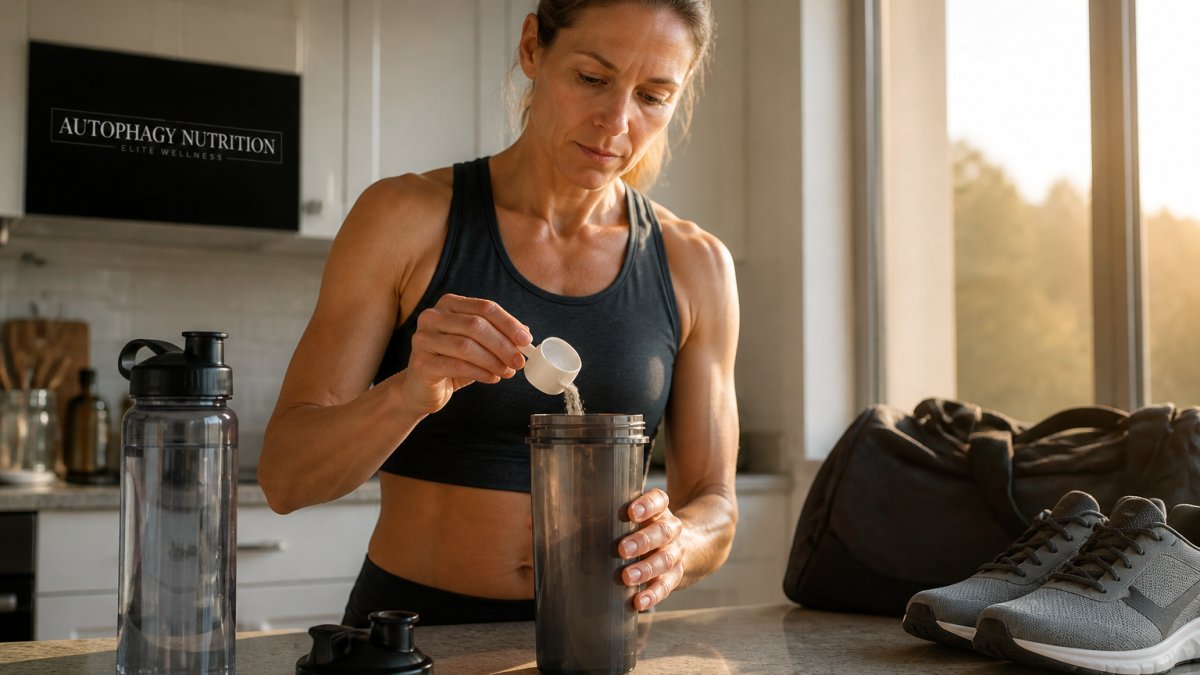
Food timing matters too. Training within an hour of a large meal usually feels worse than training with a light snack or on an empty stomach, depending on what you tolerate.
For beginners unsure whether any of this is worth the effort, our guide on whether electrolyte supplementation is worth it walks through who benefits and who can skip it.
The timing facts the article gives are simple to scan.
Melon Creamsicle Premium Energy Powder →
| Item | Value | Note |
|---|---|---|
| Caffeine timing before training | Roughly 30 to 60 minutes | Base it on your own bedtime and caffeine sensitivity, not a fixed rule |
| Caffeine half-life | Long | An afternoon scoop can still be working at midnight |
| Large meal before training | Within an hour | Can feel worse than a light snack or empty stomach for some people, but tolerance varies |
| Evening or late scoop | Count backward from your bedtime | Caffeine's long half-life means a late dose may still be active near bedtime |
Pre-Workout Supplement Safety and Efficacy: What the Evidence Supports
Safety and efficacy are separate questions, and conflating them is the most common mistake in this category. A product can be effective for alertness and still be a poor fit for someone with high blood pressure, anxiety, or a sensitive stomach.
What the Evidence Actually Supports
On efficacy, caffeine has the strongest human evidence for improving alertness and reducing perceived exertion. Beta-alanine has reasonable support for short-duration, high-intensity efforts when taken consistently over weeks, though it causes a harmless tingling sensation that surprises first-time users.
On safety, pre-workout use has been associated with possible cardiovascular changes, a reason to be conservative with stimulant doses rather than a reason to panic. The FDA cites 400 mg of caffeine per day from all sources as an amount generally not associated with negative effects for most healthy adults, but that is not a target or a safe limit for everyone, and some people need substantially less.
Checking Your Caffeine Tolerance
Most guides assume a one-size-fits-all dose. That is the wrong starting point. A practical approach for a first-time user:
- Check the label for milligrams of caffeine per serving, not just the scoop size, then start with a half serving mixed in the full amount of water the label calls for, on a training day when you have nothing important afterward.
- Note the onset and the tail. How long until you feel it, and how long until it fades? Caffeine's half-life is long enough that an afternoon dose can still be working at bedtime.
- Feeling less stimulated over time does not mean you need more. Follow the label's directions and never exceed the recommended serving.
- Stop and reassess if you notice jitters, headache, or stomach upset, signals to reduce the dose or switch to a stimulant-free option, not to push through. If you notice a racing heart or palpitations, stop use and seek medical advice.
This protocol costs nothing to follow and keeps dosing decisions based on how you actually respond.
Balancing the Powder Against Your Daily Caffeine
A gap in nearly every buying guide: how the powder interacts with your existing coffee or tea habit. Caffeine stacks.
A workable rule is to set a personal daily caffeine ceiling that you can tolerate, and count every source against it. If your morning coffee already uses most of that budget, a lower-caffeine powder or a stimulant-free option is the more sensible choice.
Testing, Certification, and What to Look For
Caffeine dose itself can cause adverse effects, and an unknown dose in a proprietary blend or a product bought from a seller with no testing documentation adds further risk. Look for a named manufacturing facility, batch testing documentation, and, for athletes subject to drug testing, a third-party sports certification program. If you notice a racing heart or palpitations, stop use and seek medical advice rather than simply reducing the scoop.
If you want quick answers about our own ingredients and product use while you compare, our frequently asked questions page covers ingredients, use, and orders.
Matching an Energy Powder to Your Training and Your Caffeine Habits
Start with your existing caffeine intake, not the label.
Three practical profiles:
- Daily coffee drinkers: choose a lower-caffeine powder and treat it as a swap for one coffee, not an addition.
- Caffeine-sensitive or late trainers: choose a stimulant-free option and get alertness from sleep and training habits instead.
- Endurance and long sessions: prioritize electrolytes and fluid volume over stimulant intensity.
Our sugar-free Strawberry Shortcake Energy Powder pairs natural caffeine from green tea with L-theanine, electrolytes, and B vitamins. The Melon Creamsicle version uses a caffeine and L-theanine approach in a different flavor.

Best for: people who train in the morning and want one scoop instead of a can, and who check the label for exact caffeine content per serving. Skip if: training too close to your bedtime would affect your sleep, you are sensitive to caffeine, or you already exceed your comfortable daily caffeine intake.
Building Your Pre-Workout Routine Around an Energy Powder
A routine beats a product every time. Here is the structure we would build:
- Fix sleep and training consistency first, because no powder compensates for either.
- Pick a caffeine ceiling you will actually respect, and count coffee against it.
- Log energy, focus, sleep quality, and stomach comfort in a note on your phone.
On the supplement side, creatine monohydrate is the one addition with a strong evidence base for strength and power alongside resistance training, and it is not a stimulant. Our creatine monohydrate powder is unflavored and mixes into the same shaker.
Watch out: doubling a scoop because the first one felt mild is the fastest route to a sleepless night.
Frequently Asked Questions
What is the best pre-workout powder for energy?
There is no single best pick, because the right energy powder depends on your caffeine tolerance, workout length, and goals. Look for a formula that states its caffeine source and amount per serving, lists L-theanine if included, and lists electrolytes such as sodium, potassium, and magnesium. L-theanine does not guarantee fewer caffeine side effects. Pre-workout supplements are commonly studied for effects on physical performance and possible cardiovascular changes, so effects go beyond workout energy. Check caffeine milligrams per serving, follow label directions, and never exceed the recommended serving.
How do energy powders differ from standard energy drinks?
Energy powders are dry mixes you combine with water, so you control the serving size and fluid volume. Many are sugar-free and include electrolytes, B vitamins, and amino acids alongside caffeine. Canned energy drinks come in both sugar-containing and sugar-free versions and usually deliver a fixed dose of caffeine in a larger liquid volume. For pre-workout routines, a powder lets you adjust strength and pair it with hydration. Check the label either way: caffeine content, sweeteners, and serving size vary widely between products.
Can pre-workout powders help with focus during exercise?
Caffeine is the ingredient most consistently linked to alertness and perceived focus, and some formulas pair it with L-theanine. L-theanine does not guarantee fewer caffeine side effects. Caffeine's effects on alertness are well studied, but a product-specific cognitive effect is not established by a single ingredient list. Individual response varies with tolerance and daily caffeine intake. If you already drink coffee through the day, total caffeine matters more than the powder alone. Track how you feel across sessions rather than assuming a fixed dose works for everyone.
Are energy powders necessary for an effective workout routine?
No. Sleep, food, and hydration do most of the work, and many people train well without any powder. Energy powders are optional tools that can help when you need a lift before an early session or a long effort. If you use one, treat it as a complement to your routine, not a replacement for recovery habits. People with medical conditions, or those pregnant or nursing, should consult a healthcare professional first.
Most people buying energy powders are not short on motivation. They are short on a clear way to compare what is in the tub. We built Autophagy Nutrition around that problem: sugar-free energy powders with natural caffeine from green tea, L-theanine, electrolytes, and B vitamins at a stated dose, plus caffeine-free hydration powders when stimulation is not what you need. Get started with Autophagy Nutrition and build a pre-workout routine you can actually keep.
